Your tyres are the only part of your vehicle that stays in direct contact with the road. Therefore, keeping them in good condition is essential for safe and confident driving. Regular tyre condition pressure and tread depth checks can help identify problems before they become serious.
TyreSafe recommends using the simple A.C.T. approach: Air pressure, Condition and Tread depth. These three checks should form part of your regular vehicle maintenance routine, particularly before long journeys.
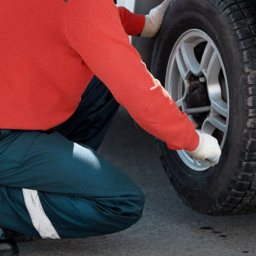
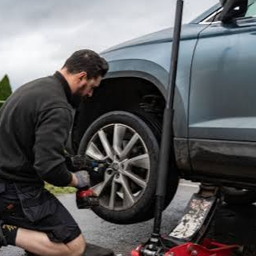
At Grip N Go Mobile Tyres, we understand how important properly maintained tyres are. Our mobile tyre services help drivers deal with tyre problems conveniently, including mobile tyre repair, replacement and fitting when required.
Why Tyre Condition, Pressure and Tread Depth Checks Matter?
Tyre problems don’t always appear suddenly. A tyre may gradually lose pressure, develop uneven wear, or suffer damage that isn’t immediately obvious.
Regular tyre condition pressure and tread depth checks can help you identify these issues early.
According to TyreSafe, maintaining tyres correctly can support:
- Better road safety
- Improved handling
- Better fuel efficiency
- Longer tyre life
- Reduced risk of tyre-related incidents
TyreSafe recommends checking your tyres once a month and before long journeys.
Check Your Tyre Condition Regularly: Pressure
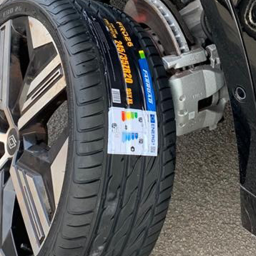
Correct tyre pressure is an important part of tyre maintenance. Both underinflation and overinflation can affect your vehicle’s handling and grip.
Your vehicle manufacturer’s recommended pressures can usually be found:
- Inside the driver’s door frame
- Inside the fuel filler flap
- In the vehicle handbook
Some vehicles have different recommended pressures depending on the load. Therefore, check the manufacturer’s guidance before adjusting your tyres.
How to Check Tyre Pressure?
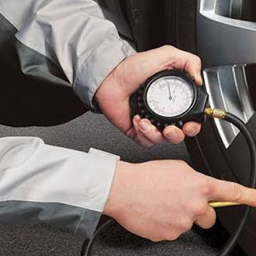
For an accurate reading, check your tyres when they are cold whenever possible.
Use a reliable pressure gauge and compare the reading with your vehicle manufacturer’s recommended figure. Check all four tyres rather than simply checking the tyre that appears low.
If one tyre repeatedly loses pressure, don’t simply keep adding air. A slow puncture, valve problem, wheel issue, or tyre damage could be responsible.
Inspect Your Tyre Condition
The second part of the A.C.T. approach is condition.
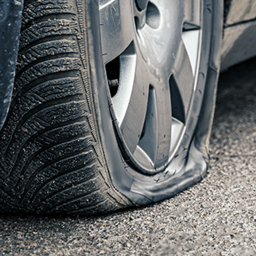
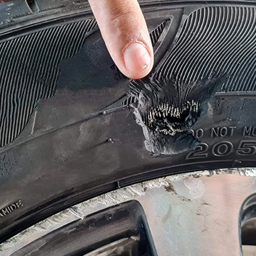
Your tyres experience constant contact with the road, so they can develop cuts, cracks, bulges and other damage over time. TyreSafe recommends regularly checking both the tread and sidewalls for visible problems.
During your inspection, look for:
- Cuts
- Cracks
- Bulges
- Lumps
- Uneven wear
- Objects embedded in the tread
- Visible damage to the sidewall
If you notice serious damage, don’t assume the tyre is safe simply because it still holds air.
A bulge, significant cut, or other structural damage can require immediate professional assessment.
Check Your Tyre Tread Depth
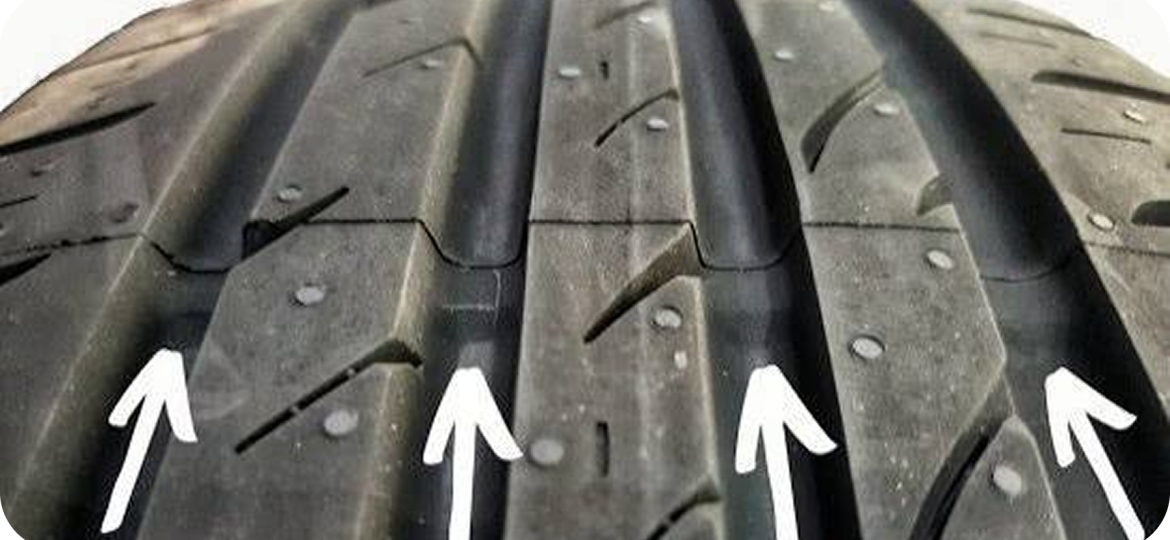
Tread depth plays an important role in maintaining grip, particularly on wet roads. UK law requires car tyres to have at least 1.6mm of tread across the central three-quarters of the tyre and around its entire circumference.
However, legal minimum does not necessarily mean you should wait until your tyres reach that limit before replacing them.
TyreSafe currently advises drivers to consider replacing tyres when tread depth falls below 3mm.
How to Check Tread Depth?
You can use a proper tread depth gauge for an accurate measurement.
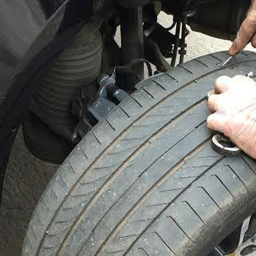
Alternatively, the familiar 20p test can provide a simple indication of whether your tyre tread may be approaching the legal limit.
Place a 20p coin into the main grooves of the tyre at several points around its circumference. If the outer edge of the coin becomes visible, the tyre should be checked professionally.
Remember to check across the width of the tread rather than testing just one spot.
Look for Uneven Tyre Wear
Checking tread depth isn’t only about measuring the remaining millimetres. You should also look at how evenly the tread is wearing.
Uneven wear can sometimes indicate issues such as:
- Incorrect tyre pressure
- Wheel alignment problems
- Suspension issues
- Incorrect wheel balancing
- Driving habits
If one section of the tyre is wearing much faster than another, arrange a professional inspection rather than simply replacing the tyre without investigating the cause.
How Often Should You Check Your Tyres?
Regular checks are much easier when you make them part of your routine.
For tyre condition pressure and tread depth checks, TyreSafe recommends carrying out the A.C.T. checks once a month and before long journeys.
You should also check your tyres if:
- Your vehicle feels different while driving
- The steering feels unusual
- A tyre pressure warning appears
- You notice visible tyre damage
- Your vehicle has hit a pothole
- You’re preparing for a long journey
A few minutes of inspection can help you identify a problem before it becomes a roadside emergency.
Tyre Checks Before a Long Journey
Long journeys place additional demands on your tyres. Before setting off, check all four tyres carefully.
Pay particular attention to:
Air pressure: Make sure pressures match the manufacturer’s recommendations and account for the vehicle’s load.
Condition: Look for cuts, cracks, bulges and embedded objects.
Tread: Check tread depth across different areas of each tyre.
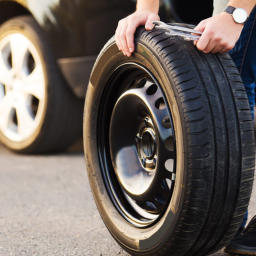
Also remember to check your spare tyre if your vehicle has one. If your car uses a space-saver spare or puncture repair kit instead, make sure you know where it is and how it works.
What If You Find a Damaged Tyre?
Don’t ignore visible tyre damage.
A puncture may sometimes be repairable, but not every punctured or damaged tyre is safe to repair. The location and severity of the damage, along with the overall condition of the tyre, must be considered.
If you discover a serious problem, avoid driving unnecessarily on the damaged tyre. Instead, arrange professional assistance.
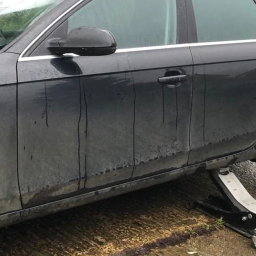
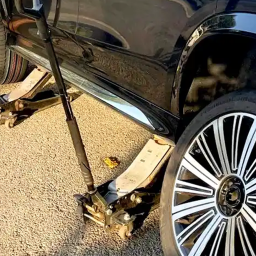
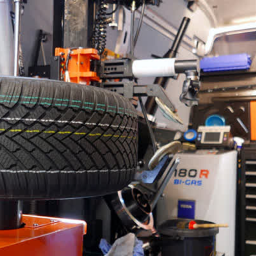
At Grip N Go Mobile Tyres, our team provides mobile tyre repair, tyre replacement and mobile tyre fitting services. We can assess the tyre and provide the appropriate solution depending on its condition.
Mobile Tyre Services from Grip N Go Mobile Tyres
Regular checks can help prevent tyre emergencies, but unexpected problems can still happen.
If you experience a puncture, flat tyre, damaged tyre or tyre pressure issue, Grip N Go Mobile Tyres can bring professional mobile tyre assistance directly to you.
Our services include:
- Mobile tyre repair
- Mobile puncture repair
- Emergency tyre replacement
- Mobile tyre fitting
- Roadside tyre assistance
- Tyre inspections
This mobile approach can save you the inconvenience of driving to a garage with a damaged tyre.
Final Thoughts
Regular tyre condition pressure and tread depth checks are simple but important parts of responsible vehicle maintenance. Following the A.C.T. approach gives drivers an easy way to remember the three essential areas: Air pressure, Condition and Tread depth.
Check your tyres monthly and before long journeys. Look for visible damage, maintain the manufacturer’s recommended pressure, and monitor tread depth regularly.
If you discover a puncture or damaged tyre, don’t take unnecessary risks by continuing to drive. Grip N Go Mobile Tyres provides professional mobile tyre repair, replacement and fitting services, helping drivers deal with tyre problems conveniently and safely.