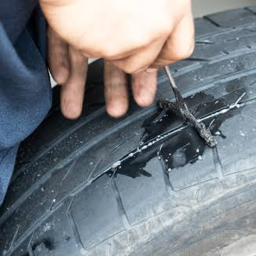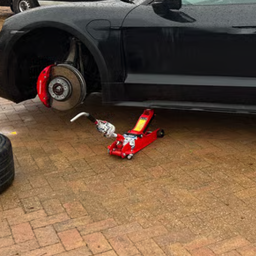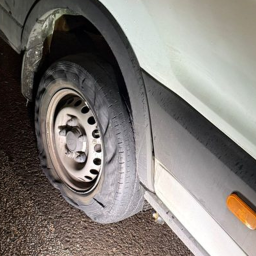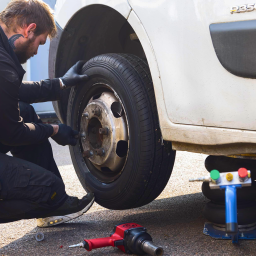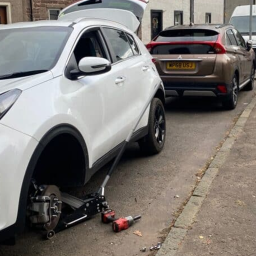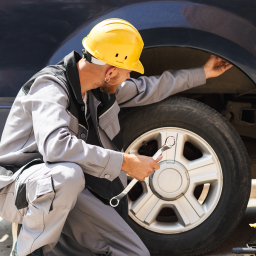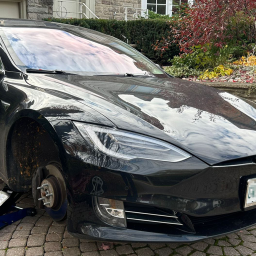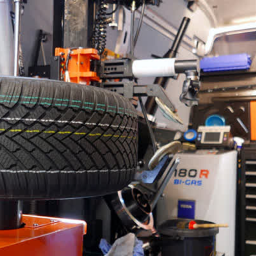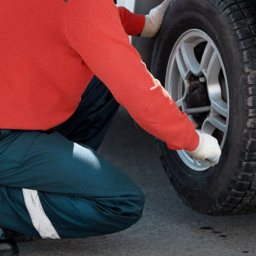
A flat tyre can happen at the worst possible time. Whether you pick up a puncture on your way to work, damage a tyre after hitting a pothole, or find a flat tyre before an important journey, knowing how to change a tyre is a useful driving skill.However, you should not attempt to change a wheel in an unsafe location. The UK Highway Code advises drivers to stop somewhere safe and only change a tyre if doing so does not put you or other road users at risk. On a motorway, you should not attempt repairs yourself.If you have a suitable spare wheel, the correct tools and a safe place to work, you can follow the steps below. If you are unsure, do not have the necessary equipment, or cannot safely change the wheel, Grip N Go Mobile Tyres can provide professional mobile tyre repair and replacement assistance.
What Do You Need to Change a Tyre?
Before learning how to change a tyre, it is important to make sure your vehicle has the necessary equipment.Depending on your car, you may need:- A spare wheel
- A vehicle jack
- Wheel wrench or brace
- Locking wheel nut key
- Wheel chocks
- Tyre pressure gauge
- Gloves
- Torch
- Reflective jacket
- Your vehicle handbook
Before You Change the Tyre, Find a Safe Location
Safety should always come before changing the tyre.If you notice a flat tyre while driving, reduce your speed and move to a safe location when you can. If possible, stop somewhere away from moving traffic, on firm and level ground.Avoid stopping:- On a bend
- On soft ground
- On steep slopes
- In a narrow roadside position
- In a location where passing traffic is dangerously close
How to Change a Tyre in 10 Steps
1. Secure the Vehicle
Once you are safely parked, switch off the engine and apply the handbrake.If your car has a manual gearbox, leave it in first gear or reverse as appropriate. For an automatic vehicle, select Park.Ask passengers to leave the vehicle if it is safe for them to do so and keep everyone away from moving traffic.Turn on your hazard warning lights if your vehicle is causing an obstruction.2. Get Your Spare Wheel and Tools
Take the spare wheel and equipment out of the boot.Make sure you have:- Jack
- Wheel brace
- Locking wheel nut key if required
- Wheel chocks
- Spare wheel
- Vehicle handbook
3. Use Wheel Chocks
Wheel chocks help prevent the vehicle from rolling while it is raised.Position the chock against the appropriate wheel on the opposite side of the vehicle from the damaged tyre.For example, if you are changing a front-left tyre, place a chock behind the rear-right wheel.Do not rely solely on the jack to prevent the vehicle from moving.4. Loosen the Wheel Nuts
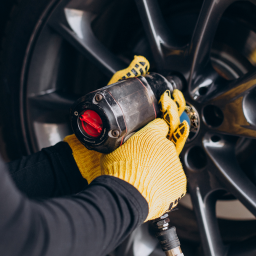
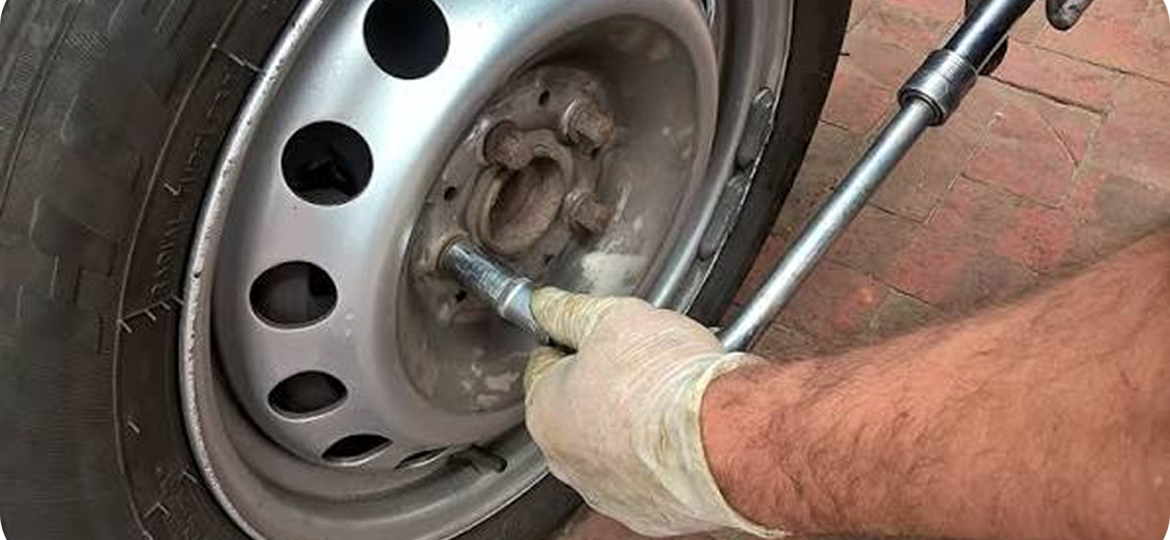
Before lifting the car, use the wheel brace to loosen the wheel nuts.Turn them anti-clockwise until they are loose enough to remove by hand later.Do not remove them completely while the tyre is still supporting the weight of the vehicle.Loosening the nuts while the wheel is on the ground gives you more stability and makes the process easier.5. Position the Jack Correctly
Check your vehicle handbook to identify the correct jacking point.Place the jack securely underneath the designated point and raise the vehicle slowly.The jack should be positioned on firm, stable ground. Never place it on an unsuitable surface where it could slip.Raise the vehicle only enough for the damaged wheel to clear the ground.6. Remove the Flat Tyre
Once the wheel is safely off the ground, completely remove the loosened wheel nuts.Keep the nuts somewhere secure so they do not roll away or become contaminated with dirt.Pull the damaged wheel towards you carefully and place it flat on the ground.Remember that a wheel and tyre can be surprisingly heavy.7. Fit the Spare Wheel
Take the spare wheel and line it up with the wheel hub.Carefully push it into position and make sure it sits correctly.Replace the wheel nuts by hand and tighten them enough to hold the wheel securely.Do not fully tighten them yet.If your vehicle uses locking wheel nuts, make sure the correct locking key is available before you begin. Losing the locking wheel nut key can make a roadside wheel change much more difficult.8. Lower the Vehicle Carefully
Use the jack to lower the vehicle until the spare wheel makes contact with the ground.At this point, the wheel should be stable enough for you to tighten the nuts properly.Remove the jack once the vehicle is fully lowered.Never leave the vehicle supported by the jack while you drive away.9. Tighten the Wheel Nuts
Use the wheel brace to tighten the wheel nuts securely.Ideally, tighten them in a diagonal or criss-cross pattern rather than moving around the wheel in a circle. This helps the wheel seat evenly.If your vehicle manufacturer specifies a torque setting, use a torque wrench to tighten the wheel nuts to the recommended specification.Your vehicle handbook should provide the relevant information.After fitting the spare, check that everything has been removed from underneath the vehicle before driving away.10. Check the Spare Tyre and Damaged Wheel
Before continuing your journey, check the spare tyre pressure.The correct pressure should be taken from your vehicle handbook or the manufacturer’s recommended information, not guessed from the appearance of the tyre.If you have fitted a space-saver spare, remember that it is intended as a temporary solution. Drive according to the restrictions specified for that spare and replace it with a proper tyre as soon as practical. RAC also recommends taking the punctured wheel to a garage or tyre fitter so it can be assessed for repair or replacement.Can You Change a Tyre on a Motorway?
No. You should not attempt to change a tyre on a motorway.This is one of the most important safety points to remember.If your tyre fails on a motorway, try to leave the carriageway at the next exit or reach a service area if possible. And if that is not possible, move into an emergency area or onto the hard shoulder where appropriate, switch on your hazard lights and follow the Highway Code’s breakdown procedure.If it is safe to exit the vehicle, leave from the side furthest from traffic and move to a safe position behind the barrier where available.The Highway Code specifically states that you should not attempt repairs on your vehicle in this situation.Instead, contact your breakdown provider or a suitable professional roadside service.What If Your Car Does Not Have a Spare Tyre?
Many modern vehicles do not carry a conventional spare wheel.Instead, they may have:- A space-saver spare
- A tyre repair kit
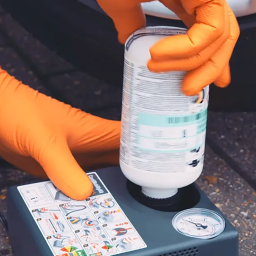
- A compressor and sealant
- Run-flat tyres
Can You Drive on a Flat Tyre?
You should avoid driving on a flat or severely underinflated tyre unless your vehicle and tyre manufacturer specifically allows limited run-flat operation.Driving on a conventional flat tyre can damage the tyre internally and may also damage the wheel. It can make the vehicle more difficult to control.TyreSafe also warns that tyre condition is critical because tyres are the only part of the vehicle directly contacting the road. Correct tyre condition, pressure and specification all contribute to safe handling, braking and steering.If you have a flat tyre, the safest choice is usually to stop somewhere safe and arrange professional assistance.When Should You Call a Mobile Tyre Fitter?
Knowing how to change a tyre is useful, but there are plenty of situations where calling a professional makes more sense.You may need mobile tyre assistance if:- You do not have a spare wheel
- Your locking wheel nut key is missing
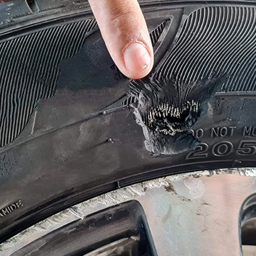
- The tyre has serious sidewall damage
- The wheel is damaged
- The tyre has come off the rim
- You cannot safely access the wheel
- You are unable to loosen the wheel nuts
- You are unsure whether the tyre can be repaired
- You are stranded somewhere unsafe
- You need a replacement tyre rather than a temporary spare
Why Choose Grip N Go Mobile Tyres?
If you have a flat or damaged tyre and do not want to deal with the hassle of removing the wheel yourself, Grip N Go Mobile Tyres can bring professional tyre assistance to you.Our mobile service is designed for drivers who need convenient tyre repair or replacement without having to arrange a trip to a traditional garage.Depending on the situation, our team can help with:- Mobile tyre repair
- Emergency tyre repair
- Emergency tyre replacement
- Mobile tyre fitting
- Puncture-related tyre assistance
- Fast roadside tyre support
How to Avoid Being Caught Unprepared?
A little preparation can make a flat tyre much easier to deal with.Before a long journey, check that:- Your tyres are correctly inflated.
- Your spare wheel is present if your vehicle has one.
- Your jack and wheel brace are available.
- Your locking wheel nut key is in the vehicle.
- You know where the jacking points are.
- Your tyre repair kit has not expired or been used.
- Your tyres have no obvious cuts, bulges or other damage.