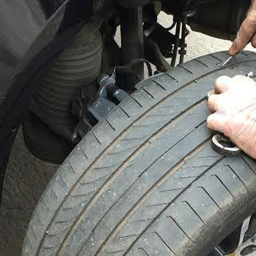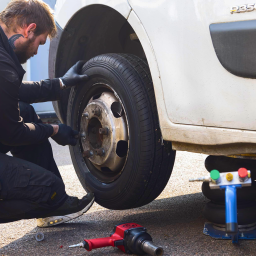
Choosing the correct tyre size for professional vehicles is an important part of maintaining safety, performance, and reliability. Whether you operate vans, commercial vehicles, trucks, or a business fleet, the tyres need to match the vehicle’s requirements.Using the wrong tyre size can affect handling, stability, traction, fuel efficiency, load carrying capability, and overall tyre performance. Michelin explains that correct tyre fitment should comply with vehicle and tyre manufacturer recommendations as well as applicable legal and regulatory requirements.For businesses that rely on their vehicles every day, getting tyre selection right is particularly important. The correct tyre specification can help keep vehicles operating efficiently while reducing unnecessary downtime.At Grip N Go Mobile Tyres, our team provides professional mobile tyre fitting, tyre replacement, and tyre repair services, helping businesses and drivers deal with tyre requirements conveniently at their location.
Why the Correct Tyre Size for Professional Vehicles
Matters?
Professional vehicles often carry heavier loads and cover significantly more miles than private cars. As a result, tyre selection becomes even more important.The correct tyre size for professional vehicles helps ensure that the tyre is suitable for the vehicle’s wheel, load requirements, and operating conditions.The right fitment can contribute to:- Safe and predictable handling
- Appropriate load-carrying capability
- Better stability
- Suitable braking performance
- Efficient fuel consumption
- Proper tyre wear
- Reliable vehicle operation
Where Can You Find Your Professional Vehicle’s Tyre Size?
Finding your tyre size doesn’t have to be complicated.There are several places where you can find the recommended specification.Check the Vehicle Handbook
Your owner’s manual normally contains the manufacturer’s recommended tyre specifications.This is one of the best places to start because it provides information specifically related to your vehicle.Check the Driver’s Door Frame
Many vehicles have a manufacturer’s information label located around the driver’s door frame or door jamb.This label can provide recommended tyre sizes and loading information. Michelin specifically recommends checking the driver’s door frame or door jamb placard when looking for the correct tyre dimensions and loading information.Check the Existing Tyre
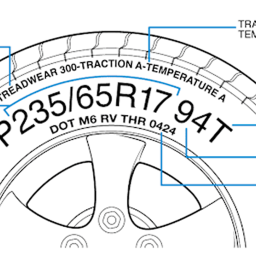
The tyre sidewall contains a series of numbers and letters showing its size and other specifications.However, don’t automatically assume that the existing tyre is correct simply because it is already fitted. If you are replacing tyres, compare the information with your vehicle manufacturer’s recommendations.How to Read a Tyre Size?
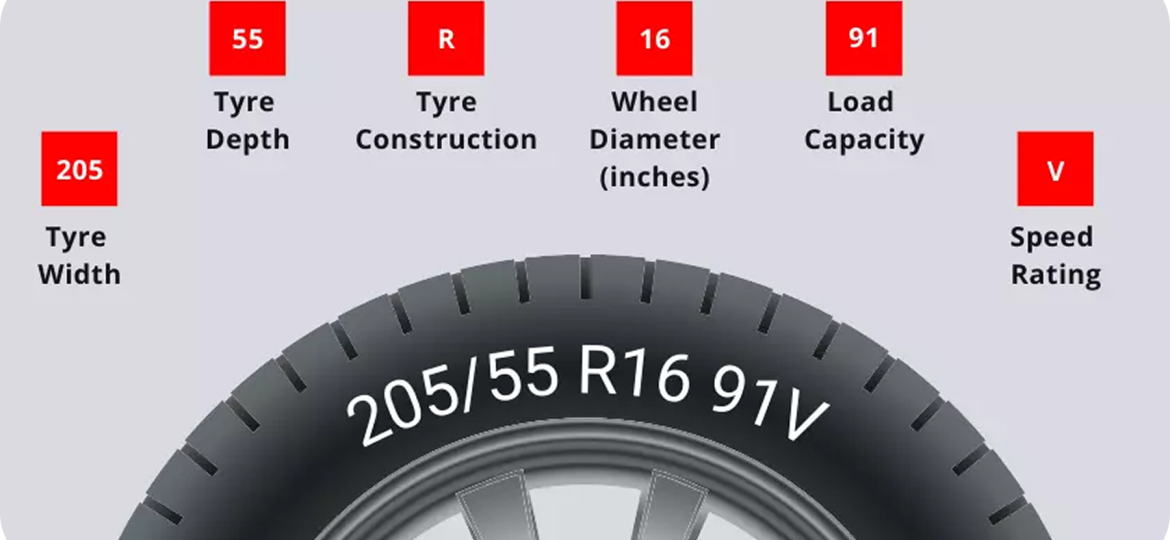
Tyre markings can initially look confusing, but each number and letter provides useful information.For example, a tyre might display:225/75 R16CEach part has a specific meaning.225 – Tyre Width
The first number represents the tyre’s width, generally measured in millimetres.In this example, 225 indicates a tyre width of approximately 225 millimetres.75 – Aspect Ratio
The second number represents the tyre’s aspect ratio.It indicates the sidewall height as a percentage of the tyre’s width.Therefore, a 75 aspect ratio means the sidewall height is approximately 75% of the tyre width.R – Construction
The letter R generally indicates radial construction.Radial tyres are widely used across modern passenger and commercial vehicles.Michelin explains that other markings can indicate different construction types, including diagonal or belted construction.16 – Wheel Diameter
The number following the construction marking indicates the wheel or rim diameter.In this example, 16 means the tyre is designed for a 16-inch wheel.C – Commercial Application
On many van and light commercial vehicle tyres, a C marking is used to indicate a tyre designed for commercial applications.However, tyre markings can vary depending on the vehicle and application, so always confirm the full specification recommended for your vehicle.Load Index and Speed Rating
Tyre size is only one part of choosing the correct tyre.Professional vehicles also need tyres with appropriate load and speed ratings.The load index indicates the maximum load the tyre is designed to carry under specified conditions.The speed rating indicates the maximum speed capability represented by the relevant rating.For commercial vehicles, these specifications are particularly important because the vehicle may regularly carry passengers, tools, equipment, stock, or other heavy loads.Michelin’s professional tyre guidance highlights size, load index, speed rating, structure, and other requirements as important parts of correct tyre fitment.Tyre Size and Load Requirements
A professional vehicle may operate under very different conditions from a private car.A delivery van, for example, could spend most of its working day carrying equipment or goods. A passenger transport vehicle may regularly carry multiple occupants.This makes it important to select tyres that are suitable for the vehicle’s intended load.Using a tyre that isn’t appropriate for the vehicle’s load requirements can compromise performance and safety.Always check the manufacturer’s recommended load information before purchasing replacement tyres.Choosing Tyres for Vans and Light Commercial Vehicles
Vans and light commercial vehicles are commonly used by tradespeople, delivery companies, couriers, service providers, and other businesses.These vehicles can cover high annual mileage and may carry substantial loads.When selecting tyres for a van, consider:- Correct tyre size
- Load index
- Speed rating
- Vehicle manufacturer’s recommendations
- Intended usage
- Typical load
- Road conditions
- Annual mileage
Why Professional Vehicle Tyres Need Regular Checks?
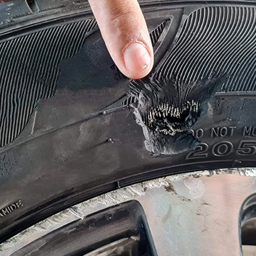
Even the correct tyre size won’t perform properly if the tyre isn’t maintained.Professional vehicles often spend long hours on the road, making regular tyre inspections essential.Check your tyres for:- Correct pressure
- Adequate tread depth
- Uneven wear
- Cuts
- Cracks
- Bulges
- Punctures
- Objects embedded in the tread
Can You Change to a Different Tyre Size?
Changing tyre size isn’t simply a matter of choosing a larger or smaller tyre that fits the wheel.Any alternative tyre specification should be compatible with the vehicle and comply with manufacturer recommendations and applicable requirements.Changing dimensions can affect:- Speedometer readings
- Handling
- Ride comfort
- Clearance
- Load capacity
- Steering behaviour
- Fuel efficiency
- Vehicle systems
Tyre Size for Different Professional Vehicle Applications
Different professional vehicles have different tyre requirements.Delivery Vans
Delivery vans need tyres capable of handling frequent stops, starts, urban driving, and potentially heavy loads.Tradesmen’s Vehicles
Electricians, builders, plumbers, and other tradespeople may carry heavy tools and equipment every day.Their tyres need to be appropriate for the vehicle’s load and working conditions.Fleet Vehicles
Businesses operating multiple vehicles need consistent tyre management.Using the correct specifications across the fleet can help simplify maintenance and reduce unnecessary downtime.Trucks and Heavy Commercial Vehicles
Heavy commercial vehicles require specialist tyre selection based on axle loads, vehicle configuration, operating conditions, and application.The correct tyre specification is essential for safe and efficient transportation.Don’t Choose a Tyre Based Only on Its Size
Two tyres may appear to have the same basic dimensions but still differ in important specifications.For example, they may have different:- Load ratings
- Speed ratings
- Construction
- Tread patterns
- Intended applications
- Performance characteristics
How Can Grip N Go Mobile Tyres Help?
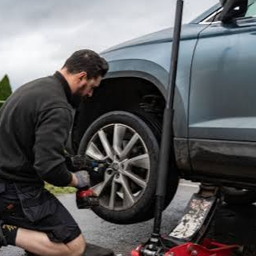
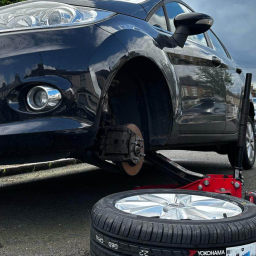
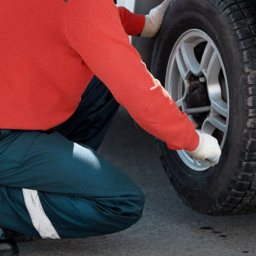
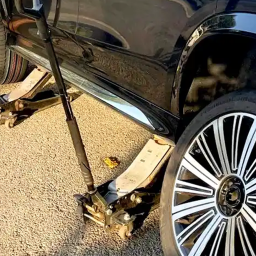
Finding the correct tyre size for professional vehicles is only the first step. Once you know the required specification, you also need reliable fitting and professional installation.At Grip N Go Mobile Tyres, our mobile tyre service makes tyre replacement and fitting more convenient.Instead of taking your professional vehicle to a traditional tyre centre, our team can come to your location for suitable mobile tyre services.Our services include:- Mobile tyre fitting
- Mobile tyre replacement
- Emergency tyre replacement
- Mobile puncture repair
- Tyre repair
- Roadside tyre assistance
Why Mobile Tyre Fitting Can Benefit Professional Drivers
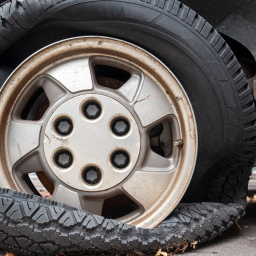
When a commercial vehicle is off the road, it can affect more than just the driver.A delayed delivery, missed appointment, or unavailable work vehicle can affect business operations.Mobile tyre fitting provides a convenient alternative by bringing tyre services directly to the vehicle’s location, where the service can safely be carried out.This can be particularly useful when a vehicle has suffered a puncture or tyre failure during working hours.When Should You Replace Professional Vehicle Tyres?
There isn’t one single mileage figure that applies to every tyre.Tyre lifespan depends on factors such as:- Vehicle weight
- Load
- Driving style
- Road conditions
- Tyre pressure
- Alignment
- Mileage
- Tyre quality
- Storage conditions