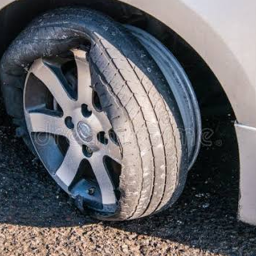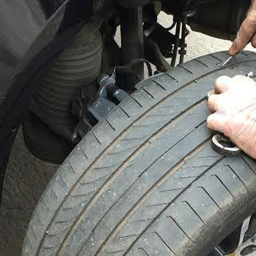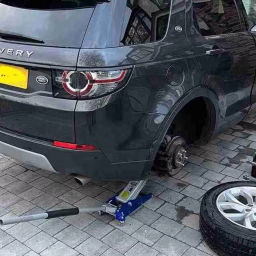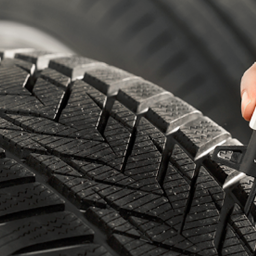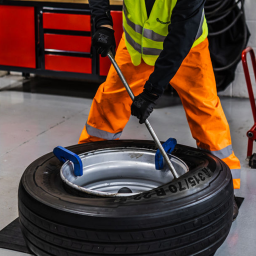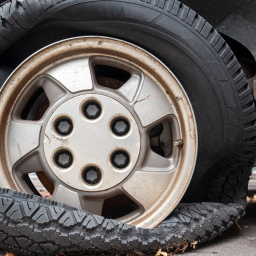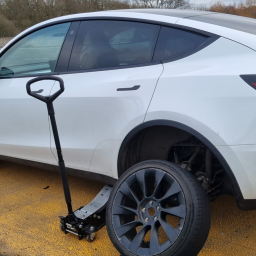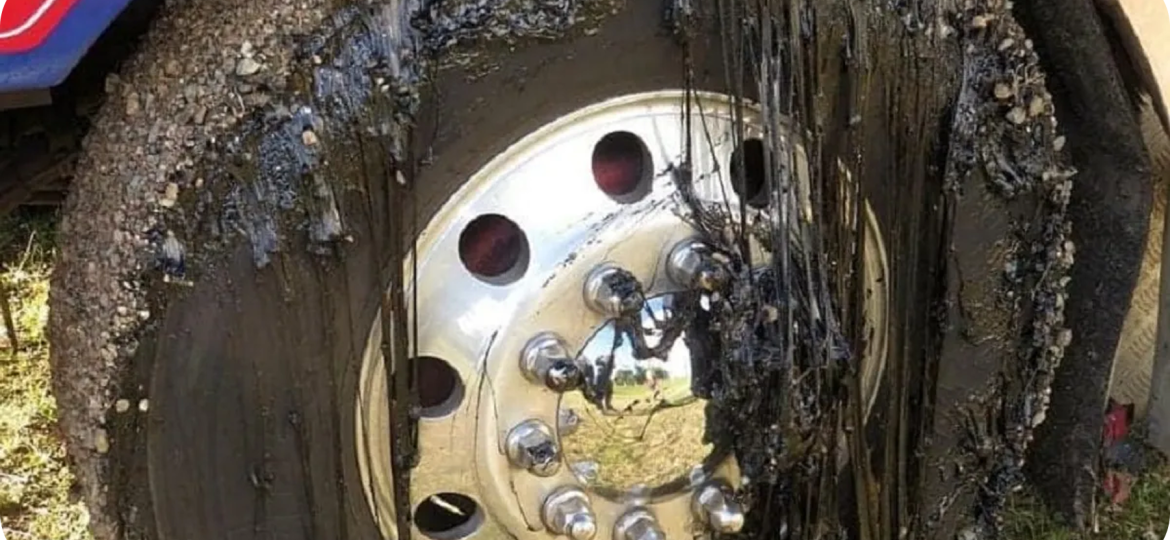
Can tyres melt in hot weather? Technically, rubber can soften when exposed to sufficiently high temperatures, but normal summer weather in the UK is not hot enough to make properly maintained car tyres literally melt.However, that does not mean hot weather does not affect your tyres.High temperatures can increase tyre pressure, accelerate rubber deterioration over time and make existing tyre problems more important. Tyres that are already damaged, under-inflated, over-inflated or badly worn may be more vulnerable when temperatures rise.Blackcircles explains that tyre rubber can begin to soften at temperatures around 50–60°C, although reaching conditions where a road tyre actually melts is not a realistic concern for normal UK driving.So, if you’re worried about your tyres melting during a hot summer day, melting is not the main concern. Tyre condition and pressure are much more important.At Grip N Go Mobile Tyres, we recommend paying attention to tyre pressure and visible tyre condition throughout the year, particularly before long journeys during periods of hot weather.
What Happens to Tyres in Hot Weather?
Tyres are designed to operate across a wide range of temperatures.As the temperature around the tyre increases, the air inside the tyre also becomes warmer. This can cause the pressure to rise.Tyres also generate additional heat while driving because of:- Friction with the road
- Sidewall flexing
- Braking
- Acceleration
- High speeds
- Heavy vehicle loads
- Under-inflation
Can Summer Heat Make a Tyre Burst?
A common concern during a heatwave is whether increased temperatures can cause a tyre to explode.According to TyreSafe, there is a substantial safety margin between normal tyre inflation pressure and the tyre’s maximum inflation pressure. TyreSafe notes that tyre pressure generally increases by around 1.5 psi (0.1 bar) for every 10°C increase in ambient temperature, although the actual pressure change will depend on various conditions.This means normal hot weather alone should not make a correctly maintained tyre suddenly burst.However, heat can become more concerning when a tyre already has a problem.For example, a tyre with:- Severe under-inflation
- Significant over-inflation
- Sidewall damage
- Cracks
- Bulges
- Exposed cords
- Excessive wear
- Previous impact damage
Does Hot Weather Increase Tyre Pressure?
Yes.Temperature affects the pressure of the air inside your tyres.As the air becomes warmer, its pressure increases. This is why checking tyre pressure immediately after a long drive can give a different reading from checking the same tyre when it is cold.This is also why you should not randomly let air out of your tyres simply because the pressure reading is higher after driving.Instead, check the pressure when the tyres are cold and compare it with the manufacturer’s recommended pressure.Blackcircles recommends checking tyre pressure when tyres are cold, noting that a suitable guideline is to allow them to cool for around an hour after driving.Why Should You Check Cold Tyre Pressure?
Your vehicle manufacturer’s recommended pressure is based on specific conditions.If you measure a tyre immediately after driving, heat generated during the journey can temporarily increase the reading.For a more useful comparison:- Park the vehicle safely.
- Allow the tyres to cool.
- Check all four tyres.
- Compare the readings with the manufacturer’s recommended pressures.
- Adjust them if necessary.
Can Over-Inflated Tyres Be Dangerous in Hot Weather?
Incorrectly high tyre pressure can affect the way your vehicle handles.When a tyre is over-inflated, the contact between the tyre and road can change. This can affect ride comfort, handling and wear.Hot weather can then increase the pressure further.That is why you should not deliberately over-inflate tyres in anticipation of a long journey.Instead, use the pressure specified by your vehicle manufacturer.You can normally find the recommended pressures in places such as:- The vehicle handbook
- The driver’s door or door pillar
- The fuel filler flap
- The manufacturer’s recommended information
What About Under-Inflated Tyres in Hot Weather?
Under-inflation is another important concern.A tyre with insufficient pressure can flex more as it rotates. That creates additional heat within the tyre.This can increase tyre wear and potentially contribute to tyre failure.Under-inflation can also affect:- Fuel economy
- Steering
- Braking
- Handling
- Tread wear
- Tyre lifespan
Can Tyres Get Too Hot While Driving?
Yes, tyres can become very hot during normal driving.This is not necessarily a problem.Tyres are designed to generate and withstand heat during operation.The amount of heat generated can vary depending on:- Vehicle speed
- Road surface
- Outside temperature
- Tyre pressure
- Vehicle weight
- Driving style
- Cornering
- Braking
- Tyre condition
Can Sunlight Damage Car Tyres?
Long-term exposure to sunlight can contribute to tyre deterioration.Ultraviolet radiation can affect rubber over time, particularly when tyres are repeatedly exposed to strong sunlight and other environmental conditions.As tyres age, you may notice:- Fine cracks
- Surface deterioration
- Hardening
- Discolouration
- Loss of flexibility
Can Heat Cause Tyres to Crack?
Heat alone is not necessarily the only reason tyres develop cracks.Tyre ageing and environmental exposure can contribute to rubber deterioration.Repeated exposure to heat, sunlight and other environmental conditions can accelerate this process.Cracks may appear on:- Sidewalls
- Tread grooves
- Between tread blocks
- Around the bead
What Happens to Tyre Rubber in Extreme Heat?
Tyre rubber is a carefully engineered compound rather than simply ordinary rubber.It contains different materials designed to provide the required balance of:- Grip
- Durability
- Flexibility
- Heat resistance
- Wear resistance
Does Hot Weather Affect Tyre Tread?
Temperature can influence how a tyre behaves, but hot weather does not suddenly make a healthy tyre’s tread disappear.Tread wear is affected by factors such as:- Driving style
- Tyre pressure
- Wheel alignment
- Vehicle weight
- Road surfaces
- Tyre compound
- Mileage
- Braking and acceleration
What Tyre Problems Become More Important in Hot Weather?
Hot weather is a good reminder to check tyres for existing problems.Cracked Sidewalls
Cracks can indicate ageing or deterioration.Bulges
A bulge can indicate internal structural damage and should not be ignored.Low Tyre Pressure
Under-inflation can increase heat generation and tyre stress.Excessive Pressure
Incorrectly high pressure can affect handling and may increase further as temperatures rise.Worn Tread
Low tread depth reduces the tyre’s ability to perform effectively, particularly in wet conditions.Uneven Wear
Uneven tread wear can indicate incorrect pressure, alignment problems or mechanical issues.Damaged Tyres
Cuts, punctures and sidewall damage should be inspected before continuing to drive.How to Look After Your Tyres During Hot Weather?
A few simple checks can help keep your tyres in better condition during summer.1. Check Tyre Pressure
Check all four tyres when they are cold.Don’t forget to check the spare tyre if your vehicle has one.2. Inspect the Sidewalls
Look for:- Cuts
- Cracks
- Bulges
- Deep scuffs
- Exposed cords
- Other visible damage
3. Check Tread Depth
The legal minimum tread depth for most cars in Great Britain is 1.6mm across the central three-quarters of the tread and around the entire circumference.However, don’t wait until the tyre reaches the legal limit before thinking about replacement.Regular inspection gives you more opportunity to identify worn or damaged tyres before they become a serious problem.4. Check Before Long Journeys
If you’re heading on a long motorway journey during hot weather, check your tyres before leaving.Pay particular attention to:- Pressure
- Tread
- Sidewalls
- Spare tyre
- Visible damage
5. Avoid Overloading
Check your vehicle’s recommended load limits before carrying heavy luggage or equipment.Additional weight increases the demands placed on your tyres.6. Drive Smoothly
Aggressive acceleration, harsh braking and excessive cornering can increase tyre stress and wear.Smooth driving can help your tyres last longer.Blackcircles also recommends maintaining proper inflation, checking for irregular wear and avoiding harsh driving behaviours to help extend tyre life.Should You Let Air Out of Tyres on a Hot Day?
No.Do not deliberately release air simply because your tyres feel warm or the pressure reading is temporarily higher after driving.Tyre pressure should be checked when the tyres are cold and adjusted according to the vehicle manufacturer’s recommended pressure.If you release air from a warm tyre and then drive again after it cools, you could end up with an under-inflated tyre.If you’re unsure about the correct pressure, consult your vehicle handbook or tyre professional.What Should You Do If Your Tyre Melt in Hot Weather?
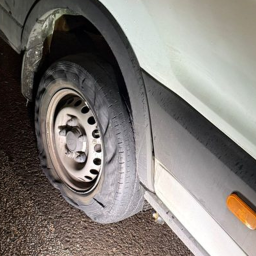
If you notice a bulge, deep crack, exposed cord, severe cut, or another obvious defect, don’t assume the problem will disappear once the weather cools.The damage should be assessed.If the tyre is losing pressure rapidly or appears structurally damaged, avoid driving on it.Instead:- Move to a safe location if you’re already driving.
- Switch on your hazard lights where appropriate.
- Avoid unnecessary driving.
- Contact a professional tyre service.
- Have the tyre inspected and replaced if necessary.
Can Grip N Go Help With Tyre Problems in Hot Weather?
Summer heat can be uncomfortable enough without dealing with a damaged or flat tyre.If you discover a tyre problem at home, at work, or at the roadside, Grip N Go Mobile Tyres can provide professional mobile tyre services at your location.Our team can help with tyre-related problems including:- Mobile tyre replacement
- Emergency tyre replacement
- Mobile tyre fitting
- Emergency tyre assistance
- Tyre pressure-related issues
- Damaged or worn tyre replacement