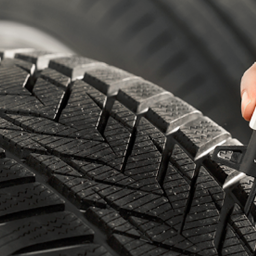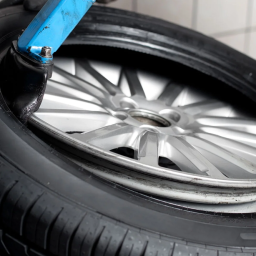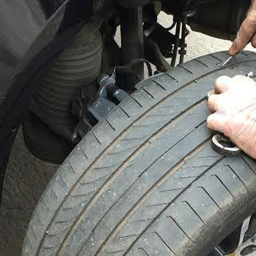
Tyre pressure is one of the simplest parts of vehicle maintenance, yet it is often overlooked. Driving with incorrect pressure can affect handling, braking, fuel consumption, and the overall lifespan of your tyres. Maintaining the correct tyre pressure helps your tyres perform as they should and keeps your vehicle safer on the road. Whether you’re commuting, travelling long distances, or simply driving around town, checking your tyre pressure regularly can prevent avoidable problems.At Grip N Go Mobile Tyres, we understand how important tyre condition and pressure are for safe driving. Our professional mobile tyre services help drivers deal with tyre problems conveniently, including tyre inspections, repairs, and replacements when required.
What Is the Correct Tyre Pressure?
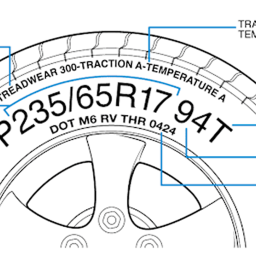
The correct tyre pressure is the pressure recommended by your vehicle manufacturer for your specific vehicle and tyre setup.You can usually find the recommended pressure:- On the driver’s door frame
- Inside the fuel filler flap
- In your vehicle handbook
- On the manufacturer’s information label
Why Is Correct Tyre Pressure Important?
Maintaining the correct tyre pressure affects several important aspects of driving.Improves Vehicle Safety
Correctly inflated tyres provide the contact with the road that your vehicle needs. Incorrect pressure can affect steering, handling, and braking.Helps Prevent Uneven Tyre Wear
Underinflated and overinflated tyres can wear differently across the tread. Maintaining the recommended pressure can help your tyres wear more evenly.Supports Better Fuel Efficiency
Underinflated tyres can increase rolling resistance, which means your engine may need to work harder. Maintaining the correct pressure can help your vehicle operate more efficiently.Extends Tyre Life
Incorrect pressure can place additional stress on tyres. Regular pressure checks can help you identify problems before they contribute to premature tyre wear.What Happens If Pressure Is Too Low?
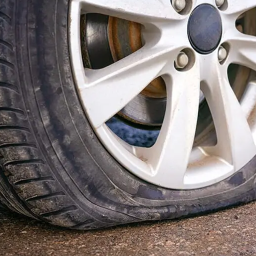
Driving with low tyre pressure can create several problems.An underinflated tyre may:- Increase rolling resistance
- Reduce fuel efficiency
- Cause uneven tread wear
- Affect steering and handling
- Generate additional heat
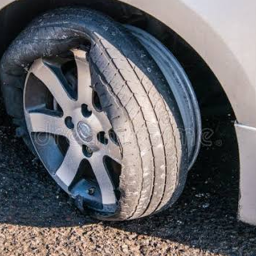
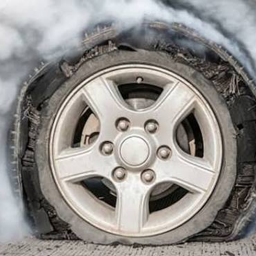
- Increase the risk of tyre damage
What Happens If Pressure Is Too High?
Overinflation can also affect your vehicle.When pressure is too high, the tyre may have a smaller contact area with the road. This can affect handling and cause the centre of the tread to wear more quickly.Therefore, more pressure is not necessarily better. The safest approach is to follow the manufacturer’s recommended figures.How Often Should You Check Tyre Pressure?
It is good practice to check your tyre pressure regularly rather than waiting for a warning light or visible problem.You should consider checking it:- At least once a month
- Before long journeys
- Before carrying heavy loads
- When temperatures change significantly
- After noticing unusual handling
- Whenever a tyre appears low
How to Check the Correct Pressure?
Checking tyre pressure is straightforward.Step 1: Find the Recommended Pressure
Check your vehicle handbook, door-frame label, or manufacturer’s information for the recommended pressure.Step 2: Check When Tyres Are Cold
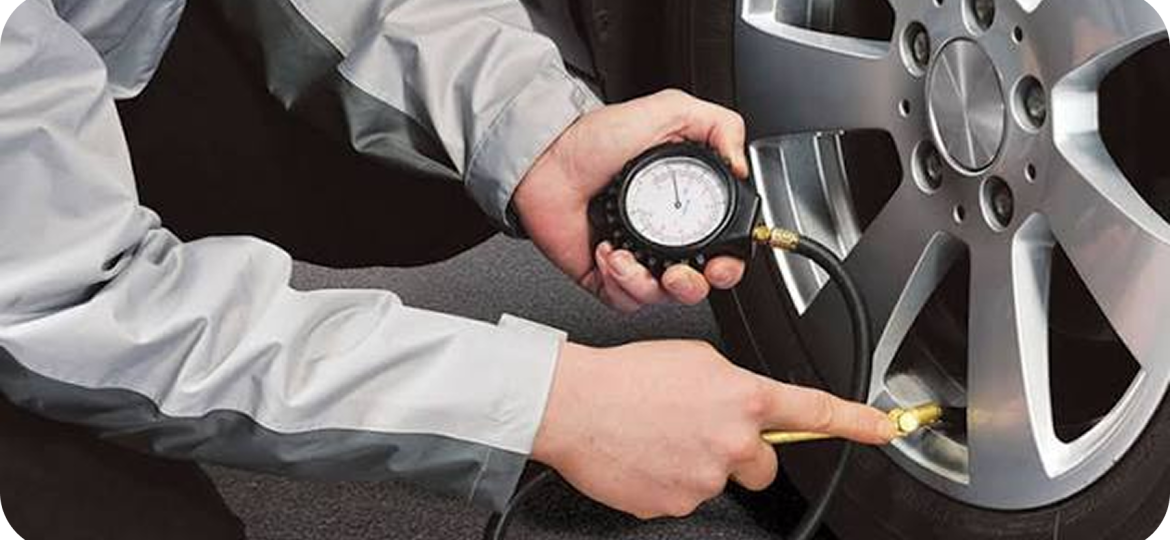
Whenever possible, check tyre pressure before driving or after the vehicle has been parked for several hours. Driving generates heat, which can temporarily increase tyre pressure.Step 3: Use a Reliable Pressure Gauge
Connect the gauge to the tyre valve and check the reading.Step 4: Adjust the Pressure
If the pressure is below or above the recommended figure, adjust it accordingly.Step 5: Check All Tyres
Don’t check only the tyre that looks low. Check all four tyres and the spare if your vehicle has one.Does Weather Affect Tyre Pressure?
Yes. Temperature changes can affect tyre pressure.Cold weather can cause tyre pressure to drop, while warmer conditions can increase pressure. That’s why checking your tyres regularly is particularly important when temperatures change.However, you should not compensate by guessing the pressure. Always use the manufacturer’s recommended pressure as your reference.Tyre Pressure and Long Journeys
Checking the correct tyre pressure is especially important before a long journey.Before travelling, inspect your tyres and check:- Tyre pressure
- Tread depth
- Visible cuts or cracks
- Bulges
- Embedded objects
- Signs of uneven wear
What If Your Tyre Keeps Losing Pressure?
A tyre that repeatedly loses pressure needs attention.Possible causes include:- A puncture
- Damaged valve
- Wheel damage
- Bead sealing problems
- Tyre damage