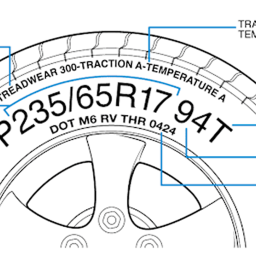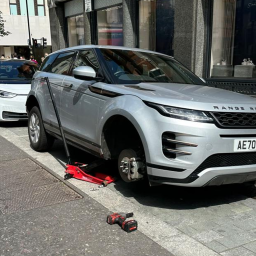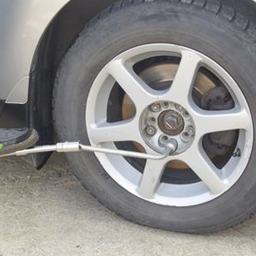
Your tyres are one of the most important safety components on your vehicle. They are the only parts of your car that are continuously in contact with the road, helping you steer, brake, accelerate, and maintain control. Yet people often forget to check tyres until a warning light appears or a tyre suddenly goes flat. Simple tyre safety advice can help you spot problems before they become emergencies. TyreSafe recommends using the A.C.T. approach: Air Pressure, Condition and Tread. These checks should be carried out at least once a month and before long journeys.At Grip N Go Mobile Tyres, we understand how quickly a tyre problem can disrupt your day. Regular checks can help prevent avoidable breakdowns, while our mobile tyre services can provide professional assistance when you need tyre repair or replacement.
Why Is Tyre Safety So Important?
Tyre problems can affect much more than your comfort while driving.Incorrect pressure, excessive tread wear, cuts, cracks, bulges and embedded objects can all affect how your vehicle behaves on the road. In particular, worn or incorrectly inflated tyres can reduce grip and affect braking performance, especially in wet conditions.TyreSafe’s current safety information highlights the importance of regular maintenance. Its latest figures report 201 people killed or seriously injured in incidents related to defective tyres in 2025, while more than 6 million tyres in the UK were estimated to have illegal tread.These figures demonstrate why tyre maintenance should be part of your normal vehicle routine rather than something you only think about when a problem occurs.The A.C.T. Tyre Safety Check
One of the easiest ways to remember your essential tyre checks is A.C.T.:- A = Air Pressure
- C = Condition
- T = Tread Depth
A: Check Your Tyre Air Pressure
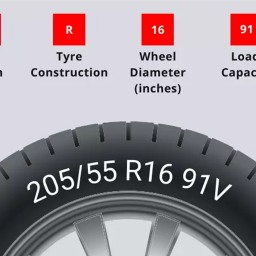
Correct tyre pressure is essential for safe handling, braking, grip and tyre life.Your recommended pressures can normally be found in your vehicle handbook, on a plate or sticker around the driver’s door area, or inside the fuel filler flap.Do not simply use the maximum pressure written on the tyre sidewall as your normal operating pressure. Follow the vehicle manufacturer’s recommended settings instead.Check your tyre pressures regularly with a reliable gauge. It is also important to consider your vehicle’s load because some manufacturers specify different pressures when carrying additional passengers or luggage.Driving with underinflated tyres can cause excessive flexing and heat build-up, while overinflation can reduce the tyre’s contact area with the road and contribute to uneven wear and impact damage.When Should You Check Tyre Pressure?
Make tyre pressure checks part of your monthly routine and check them before a long journey.Whenever possible, check pressure when the tyres are cold. If you have recently driven for a considerable distance, the tyres will have warmed up and the pressure reading may be higher.Also remember that a tyre that repeatedly loses pressure needs further investigation. Simply adding air may not solve the underlying problem.A slow puncture, damaged valve, bead leak, or wheel problem could be responsible.C: Inspect Your Tyres’ Condition
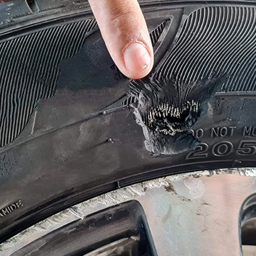
Tyre condition is just as important as pressure.Walk around your vehicle and visually inspect all four tyres. Look for anything that appears unusual or different from the other tyres.Pay particular attention to:- Cuts or deep scratches
- Cracks
- Bulges or lumps
- Objects embedded in the tread
- Uneven wear
- Damage to the sidewall
- Signs of impact damage
- Unusual changes in tyre shape
Never Ignore a Tyre Bulge
A bulge in the sidewall should not be treated as a cosmetic issue.It can indicate internal structural damage, potentially caused by hitting a pothole, kerb or other obstacle. A damaged tyre may not be safe to continue driving on.If you notice a significant bulge, cut or other serious damage, avoid unnecessary driving and arrange for the tyre to be professionally inspected.T: Check Your Tyre Tread Depth
Tyre tread helps maintain contact with the road, and channels water away from the contact area.As tyres wear, their ability to deal with wet conditions can be reduced. This is particularly important during heavy rain when insufficient tread can increase the risk of losing grip or aquaplaning.The legal minimum tread depth for most cars in the UK is 1.6mm across the central three-quarters of the tread and around the entire circumference of the tyre. TyreSafe recommends considering replacement at around 3mm, rather than waiting until the tyre reaches the legal limit.How Can You Check Tread Depth?
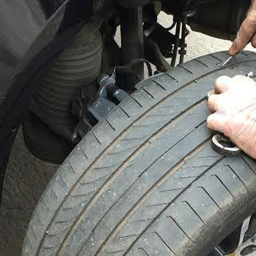
You can use a tread depth gauge for a more precise measurement.The familiar 20p test can also be used as a quick check. Insert a 20p coin into the main grooves of the tyre. If the outer border of the coin remains visible, the tread may be at or below the legal limit and should be professionally checked.A visual check should not replace a proper measurement when you are concerned about your tyres.Also check across different areas of the tread. Uneven wear can indicate problems with tyre pressure, wheel alignment, suspension or other components.Don’t Ignore Uneven Tyre Wear
Tyres do not always wear evenly.You may notice that the inside or outside edge is wearing faster than the centre, or that one tyre is wearing significantly more quickly than another.Possible contributing factors include:- Incorrect tyre pressure
- Wheel alignment problems
- Suspension issues
- Incorrect wheel or tyre fitment
- Regular kerb or pothole impacts
- Heavy or unusual vehicle loading
What About Punctures and Embedded Objects?
Finding a nail, screw or other sharp object in your tyre does not automatically mean you should pull it out immediately.Removing an object can allow air to escape rapidly from a tyre that was previously losing pressure slowly.If you discover an embedded object, check the tyre pressure and arrange a professional inspection. Whether a tyre can be repaired depends on factors including the location and extent of the damage, the tyre’s condition and applicable repair requirements.TyreSafe advises that tyre repairs should be carried out by a qualified tyre specialist and that some forms of damage cannot safely be repaired.What Should You Do If a Tyre Suddenly Goes Flat?
A sudden flat tyre can happen even when you regularly maintain your vehicle.If you discover a flat tyre while parked, avoid driving on it unnecessarily. Driving on a completely deflated tyre can cause additional damage to the tyre and potentially the wheel.If you experience a tyre problem while driving:- Stay calm and maintain control of the vehicle.
- Reduce speed safely.
- Find a safe place to stop.
- Switch on hazard warning lights where appropriate.
- Move away from moving traffic if it is safe to do so.
- Arrange professional assistance if you cannot safely resolve the problem yourself.
Can a Damaged Tyre Be Repaired?
Not every tyre problem requires replacement.Some punctures may be suitable for a professional repair, while other damage means the tyre needs to be replaced.A tyre may need replacement when there is serious sidewall damage, structural damage, significant cuts, severe wear or other conditions that make a safe repair unsuitable.This is why it is important not to assume that every puncture can be repaired or that every damaged tyre must automatically be replaced.A professional inspection can determine the safest option.Why Regular Tyre Checks Can Save You Money
Tyre safety is primarily about protecting drivers, passengers and other road users, but regular checks can also help prevent unnecessary costs.Finding a slow puncture early may prevent further damage. Identifying incorrect pressure can help reduce unnecessary tyre wear. Spotting uneven tread wear can highlight a mechanical issue before it becomes more expensive.TyreSafe also notes that regular tyre checks can contribute to better tyre life, fuel efficiency and vehicle performance.A few minutes of preventative maintenance can therefore be much easier than dealing with a sudden breakdown.When Should You Get Professional Tyre Help?
You should consider professional assistance if:- Your tyre repeatedly loses pressure
- You discover a deep cut or crack
- You notice a bulge
- The tyre has suffered a significant pothole or kerb impact
- You find an embedded object
- Your tread is approaching the legal limit
- You notice severe or uneven wear
- Your tyre has gone completely flat
- You are unsure whether a tyre can be safely repaired
- You need a replacement tyre fitted