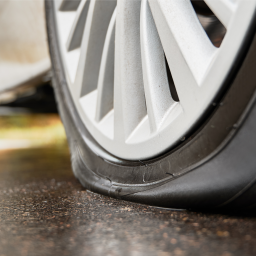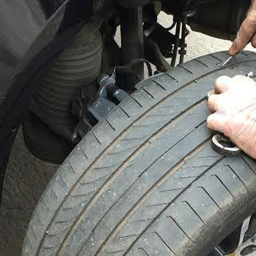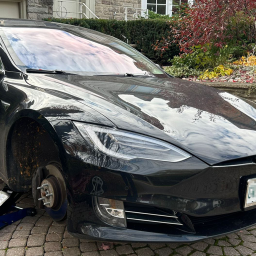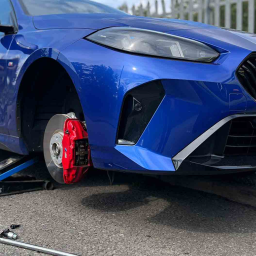
Can a tyre go flat without a puncture? Yes, absolutely.When a tyre keeps losing air, but you cannot find a nail, screw, or obvious hole, it does not necessarily mean there is no problem with the tyre. Air can escape through other areas of the wheel and tyre assembly, including a faulty valve, damaged bead, corroded rim, or wheel damage.Temperature changes can also affect tyre pressure, while prolonged under-inflation can create additional tyre damage.A slow leak can be particularly frustrating because the tyre may look completely normal after being inflated. You might drive for several days before noticing that the same tyre has become soft again.TyreSafe explains that flat tyres can result from punctures, valve issues or sidewall damage, while slow pressure loss can also be linked to potholes, kerb impacts and wheel or valve problems.At Grip N Go Mobile Tyres, our team can help identify the cause of a tyre that keeps losing pressure and provide mobile tyre repair or replacement when required.
How Can a Tyre Go Flat Without a Puncture?
There are several possible explanations.The most common include:- Faulty or damaged tyre valve
- Bead leak around the rim
- Bent or cracked wheel
- Corrosion on the wheel
- Sidewall damage
- Incorrect tyre pressure
- Temperature changes
- Poor tyre installation
- Damage from potholes or kerbs
- Previous tyre damage
1. A Faulty Tyre Valve
The valve is a small but important part of your tyre.It allows air to enter the tyre while helping to keep that air inside.Over time, a valve can become damaged, worn or loose. The valve can also develop a leak that is difficult to identify during a quick visual inspection.You may therefore have a tyre that looks perfectly healthy but continues to lose pressure.TyreSafe recommends checking that valves are not leaking when checking or adjusting tyre pressure, and advises that valves should be replaced or serviced when renewing tubeless tyres.Signs of a Valve LeakYou may notice:- The same tyre repeatedly loses pressure
- The tyre looks fine externally
- No nail or screw is visible
- Pressure drops over several days
- Air loss appears worse when the valve is moved
2. A Bead Leak Around the Rim
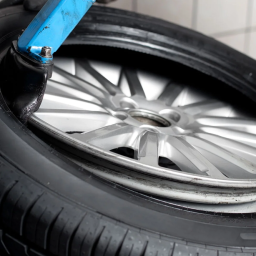
The bead is the part of the tyre that sits against the wheel rim and helps create an airtight seal.If that seal becomes compromised, air can gradually escape even though the tread has no puncture.A bead leak can happen because of:- Dirt between the tyre and rim
- Corrosion
- Wheel damage
- Incorrect fitting
- Bead damage
- Age-related deterioration
3. A Bent or Damaged Wheel
Sometimes the tyre is not the real problem.A pothole or serious kerb impact can bend the wheel and prevent the tyre from maintaining a proper seal.The damage may be obvious, but smaller bends can be difficult to see without a proper inspection.A damaged wheel can result in:- Slow pressure loss
- Sudden pressure loss
- Vibration
- Uneven tyre seating
- Handling changes
4. Wheel Corrosion
Corrosion around the wheel can interfere with the seal between the tyre and rim.This can create a small gap through which air gradually escapes.The tyre itself may not have a puncture at all.This is one reason why simply replacing a tyre may not always solve repeated pressure loss.If a new or replacement tyre continues to lose air from the same wheel, the wheel and bead seating area should be inspected.5. Sidewall Damage
A tyre can also lose air because of sidewall damage.This could happen after:- Hitting a pothole
- Striking a kerb
- Scraping against an object
- Driving over road debris
- Driving on an under-inflated tyre
6. Temperature Changes
Temperature can affect tyre pressure even when there is no puncture.When temperatures fall, the air inside the tyre contracts and pressure decreases. When temperatures rise, pressure increases.This can make a tyre appear to lose or gain pressure without any physical leak.However, normal temperature-related pressure changes are generally different from a tyre that repeatedly goes flat.If one tyre keeps becoming significantly lower than the others, don’t simply blame the weather.There may be an underlying leak or damage that needs inspection.7. Incorrect Tyre Pressure
Incorrect pressure does not necessarily mean that air is escaping.You may simply have started with the wrong pressure.Tyres that are under-inflated can also suffer additional stress while driving.TyreSafe explains that under-inflated tyres flex excessively, which increases heat build-up and can make them more susceptible to failure. Under-inflation can also increase the risk of impact damage to the tyre and wheel.Always use the vehicle manufacturer’s recommended tyre pressure rather than guessing.You can normally find the correct pressure in:- Your vehicle handbook
- The driver’s door sill
- The door frame
- The fuel filler flap
8. Poor Tyre Installation
If a tyre has recently been fitted, rotated or replaced and it suddenly starts losing pressure, the installation should be checked.An issue with the bead seating or sealing surface can cause air loss.This does not necessarily mean the tyre itself is defective.The wheel, valve, and bead should all be inspected.A professional fitting service can identify whether the problem is related to the tyre or its installation.9. Damage From a Pothole or Kerb
A hard impact can create a problem without leaving an obvious puncture.For example, you could hit a pothole and later discover that one tyre is repeatedly losing pressure.The impact may have damaged:- The tyre
- Sidewall
- Bead
- Wheel
- Valve
10. A Slow Puncture You Haven’t Found Yet
Sometimes the tyre does have a puncture, but you simply cannot see it.A small nail, screw, or piece of debris can create a very slow leak.The object may even remain embedded in the tyre, making the puncture difficult to notice.TyreSafe explains that slow punctures can take days or weeks to become obvious because air escapes gradually.Signs include:- Repeatedly topping up the same tyre
- Gradual pressure loss
- Steering changes
- A slight pull to one side
- Unusual vibration
- A faint hissing or ticking sound
How Do You Know If Your Tyre Has a Slow Leak?
One of the clearest signs is that the same tyre keeps losing pressure.For example, you inflate all four tyres to the correct pressure.After a few days, three tyres remain at approximately the same pressure while one has dropped significantly.That is a strong indication that something needs checking.Other warning signs include:Your Tyre Looks Lower Than the Others
A visibly low tyre should never be ignored.Your TPMS Warning Light Keeps Returning
If your vehicle has a tyre pressure monitoring system and the warning keeps coming back, investigate the cause.You Keep Adding Air
Needing to inflate the same tyre repeatedly is not normal.Your Vehicle Feels Different
Changes in steering, cornering, or stability can indicate a tyre pressure problem.You Notice Vibration
A damaged tyre or wheel can cause vibration while driving.Can a Tyre Go Flat Overnight Without a Puncture?
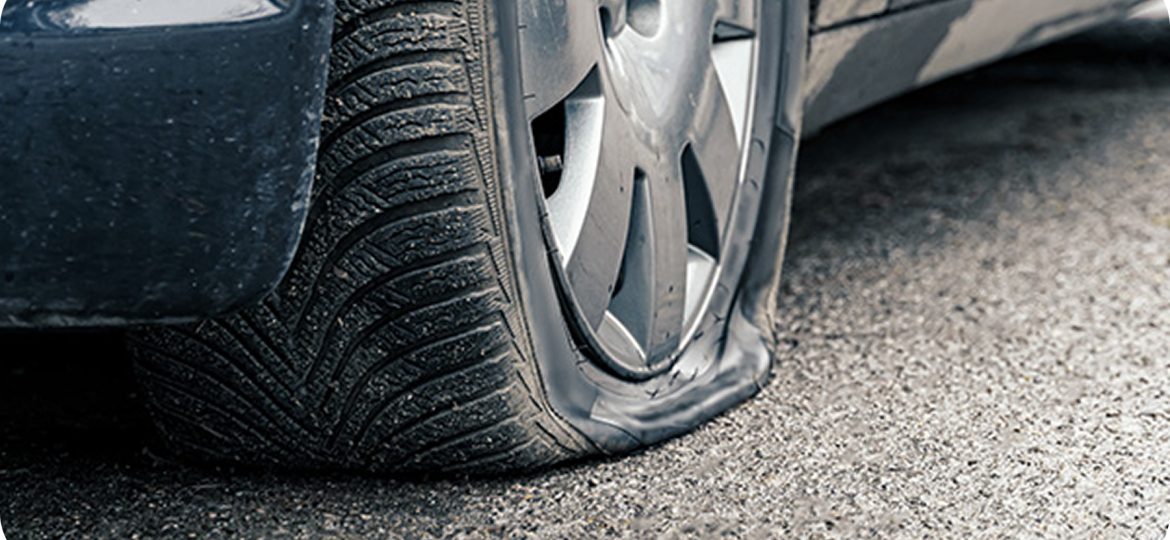
Yes.If there is a significant valve leak, bead leak, damaged wheel, or sidewall problem, a tyre can lose enough air overnight to become completely flat.A slow leak may take much longer.For example, you might inflate the tyre in the morning and find it noticeably softer the next day.The fact that there is no nail or screw does not mean the tyre is fine.If a tyre repeatedly goes flat overnight, arrange a professional inspection.Can a Tyre Go Flat While Parked?
Yes.A tyre does not have to be moving for it to lose air.Air can escape while the vehicle is sitting on your driveway, outside your workplace or parked on the street.Possible causes include:- Valve leakage
- Bead leakage
- Wheel corrosion
- Wheel damage
- Tyre damage
- Slow puncture
Is It Safe to Drive on a Tyre That Keeps Losing Air?
Not if the tyre is significantly under-inflated or flat.Driving on an under-inflated tyre can create excessive flexing and heat, increasing the risk of damage or failure.You should not keep driving simply because the tyre still has some air in it.Likewise, repeatedly inflating the tyre and continuing to use it without finding the cause is not a long-term solution.If the tyre is losing pressure rapidly, stop somewhere safe and arrange professional assistance.What Should You Do If Your Tyre Go Flat Without a Puncture?
If you discover a flat tyre and cannot see an obvious puncture, don’t assume you can simply inflate it and forget about it.Step 1: Stop Somewhere Safe
If the tyre goes flat while you’re driving, reduce your speed carefully and stop in a safe location.Step 2: Check the Tyre Visually
Look for obvious cuts, bulges, embedded objects, or other visible damage.Don’t put yourself at risk to inspect a tyre beside fast-moving traffic.Step 3: Check the Pressure
If you have a suitable pressure gauge, check the tyre.If it is completely flat, avoid driving on it.Step 4: Don’t Keep Driving
Driving on a severely under-inflated tyre can cause additional damage.Step 5: Arrange Professional Assistance
A tyre professional can inspect the tyre, valve, bead, and wheel to identify the source of the air loss.Can You Repair a Tyre That Keeps Losing Air?
That depends entirely on the cause.If there is a suitable tread puncture and the tyre meets the requirements for repair, a professional may be able to repair it.However, not every tyre problem is repairable.TyreSafe states that repairs must comply with BS AU 159, and repairs cannot be carried out where there is certain damage to the casing, bead, sidewall or other parts of the tyre.A tyre may need replacement if the problem involves:- Sidewall damage
- Bead damage
- Significant casing damage
- Severe under-inflation damage
- Exposed cords
- Serious cuts or cracking
- Certain previous repairs
What About Run-Flat Tyres?
Run-flat tyres are designed differently from conventional tyres.They can provide a limited ability to continue driving after a puncture, provided the manufacturer’s conditions are followed.TyreSafe states that certain run-flat tyres can be driven for up to 50 miles at a maximum of 50 mph, subject to the tyre and vehicle requirements.However, this does not mean you should ignore a pressure warning.Run-flat tyres can be difficult to assess visually because their reinforced sidewalls can maintain their shape even when deflated.If you have run-flat tyres and suspect pressure loss, have them professionally checked.How to Prevent Unexplained Tyre Pressure Loss?
You cannot prevent every tyre problem, but regular maintenance can help you identify issues early.Check Tyre Pressure Regularly
Use the manufacturer’s recommended pressure.TyreSafe recommends regular pressure checks because incorrect inflation can affect handling, grip and tyre life.Inspect Your Tyres
Look for:- Cuts
- Cracks
- Bulges
- Uneven wear
- Embedded objects
- Sidewall damage
Check After Pothole Impacts
A serious pothole can damage the tyre or wheel even when the damage isn’t immediately obvious.Don’t Ignore Repeated Pressure Loss
If one tyre keeps losing air, find out why.Maintain Your Valves
Valves should be checked for leaks and serviced or replaced when appropriate.How Can Grip N Go Mobile Tyres Help?
A tyre that repeatedly goes flat can leave you stuck at home, at work or on the roadside.You may also be unsure whether it is safe to drive the vehicle to a tyre centre.That’s where Grip N Go Mobile Tyres can help.Our team provides professional mobile tyre services, allowing tyre problems to be dealt with at your location.Depending on the condition of the tyre, our services can include:- Mobile tyre inspection
- Mobile tyre repair
- Mobile tyre replacement
- Emergency tyre replacement
- Mobile tyre fitting
- Roadside tyre assistance