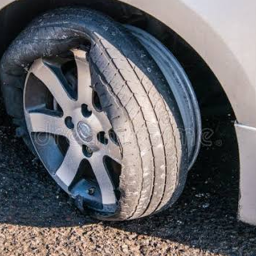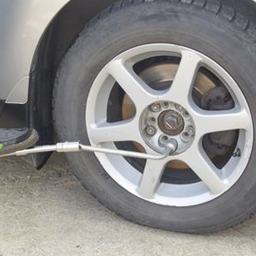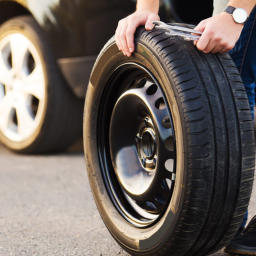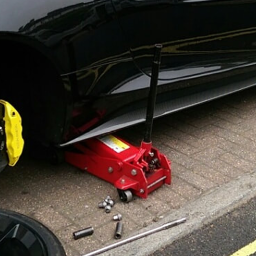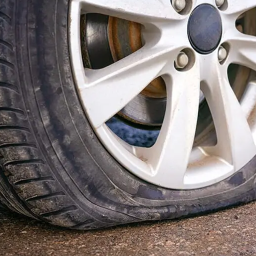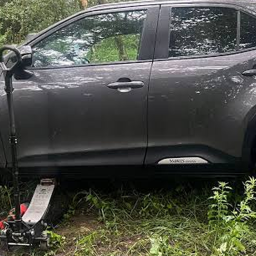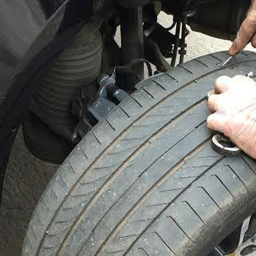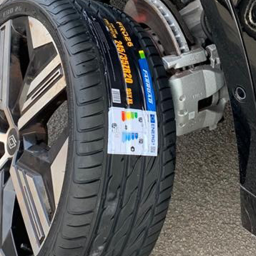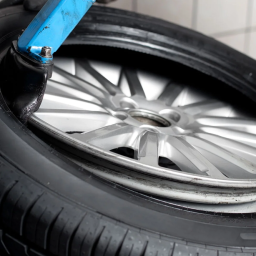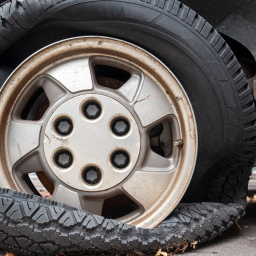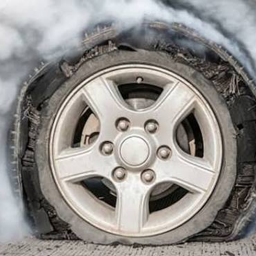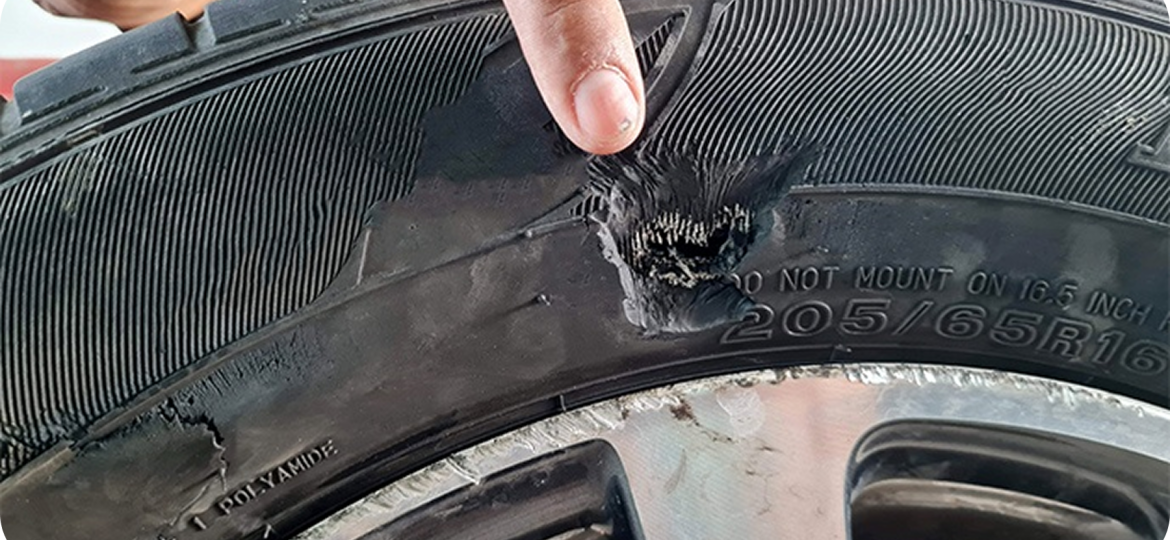
Tyre sidewall damage refers to cuts, cracks, bulges, punctures, scuffs, or other defects affecting the side of a tyre between the tread and the wheel rim.The sidewall is an important structural part of your tyre. It flexes as you drive, supports the vehicle’s weight and helps absorb impacts from normal road surfaces.Because the sidewall flexes constantly, damage in this area can be more serious than it initially appears. A small-looking cut, deep scuff or bulge may indicate damage to the internal structure of the tyre.TyreSafe advises drivers to pay close attention to tyre condition alongside pressure and tread depth. Damage such as serious cuts, cracks or bulges can make a tyre unsafe.If you notice unusual damage on your tyre’s sidewall, don’t assume it is cosmetic. Have it inspected by a qualified tyre professional before continuing to drive.
A professional should always make the final decision after inspecting the tyre.TyreSafe explains that repairability depends on factors including damage location, tyre condition and the nature of the defect.
Why Is the Tyre Sidewall So Important?
The sidewall sits between the tread and bead of the tyre.The tread provides the main contact with the road, while the sidewall allows the tyre to flex and absorb movement as the vehicle travels over different surfaces.This flexibility is useful, but it also means the sidewall is exposed to impacts and repeated stress.Damage can occur when the tyre:- Hits a pothole
- Clips a kerb
- Runs under-inflated
- Carries excessive weight
- Comes into contact with sharp objects
- Ages and develops cracks
- Suffers an impact that damages its internal structure
What Does Tyre Sidewall Damage Look Like?
Sidewall damage can appear in several different forms. Some defects are immediately obvious, while others can be difficult to identify without a professional inspection.Sidewall Cuts
A cut can occur when the tyre comes into contact with a sharp object.For example, broken glass, metal, road debris or a sharp kerb can cut the rubber.A shallow surface mark may not necessarily mean the tyre has suffered structural damage. However, a deep cut can expose the internal cords and compromise the tyre.A deep sidewall cut should not be treated as a normal puncture.Tyre Sidewall Bulge or Bubble
A bulge is one of the most serious forms of sidewall damage.It usually appears as an outward bubble or lump on the tyre.A bulge can indicate that the internal structure of the tyre has been damaged, often following a severe impact such as hitting a pothole or kerb.If you see a bulge:Do not continue driving on the tyre.Arrange a professional inspection and replacement as soon as possible.Sidewall Cracks
Cracking can occur as tyres age or when rubber is exposed to environmental conditions such as UV radiation and heat.Fine surface cracks may initially appear insignificant, but deeper or widespread cracking can indicate deterioration of the rubber.TyreSafe explains that tyre cracking can compromise structural integrity and may eventually contribute to deflation or blowout.Sidewall Scuffs
Scuffs are commonly caused by scraping against kerbs.A light surface scuff may not necessarily mean the tyre needs replacing.However, a deep gouge, exposed material, cut, or deformation should be professionally inspected.Never judge serious sidewall damage based only on its appearance.Sidewall Puncture
A puncture through the sidewall is different from a typical tread puncture.A nail or screw in the central tread may sometimes be repairable under the appropriate conditions. Sidewall damage is outside the normal repairable area.TyreSafe states that puncture repairs are limited to the central portion of the tread, meaning damage close to or on the sidewall cannot normally be repaired.What Causes Tyre Sidewall Damage?
There are several common causes of tyre sidewall damage, and many happen during everyday driving.1. Hitting Potholes
Potholes can produce a significant impact between the tyre, wheel, and road.A particularly hard impact can damage the sidewall or internal structure.It may also bend the wheel, causing an air leak or further tyre problems.If you hit a large pothole and subsequently notice a bulge, vibration, or pressure loss, get the tyre inspected.2. Kerb Impacts
Kerbs are another common cause of sidewall damage.You may damage the tyre while:- Parking
- Turning tightly
- Pulling alongside a kerb
- Mounting a kerb
- Driving too close to the edge of the road
3. Under-Inflation
Driving with incorrect tyre pressure can increase stress on the tyre.A significantly under-inflated tyre flexes more than it should, generating additional heat and potentially increasing the risk of damage.Correct tyre pressure is therefore one of the simplest ways to protect your tyres.TyreSafe recommends regular pressure checks and highlights excessive flexing and heat as risks associated with prolonged under-inflation.4. Overloading the Vehicle
Every tyre has a load rating.Carrying more weight than the tyre and vehicle are designed for can increase stress on the tyre.Always follow the manufacturer’s recommended vehicle loading limits and tyre specifications.5. Sharp Road Debris
Broken glass, metal, stones, and other debris can strike or cut the sidewall.Unlike a small tread puncture, sidewall penetration can make the tyre unsafe to repair.6. Age and Environmental Exposure
Tyre rubber naturally deteriorates over time.UV exposure, heat, and environmental conditions can contribute to cracking and rubber degradation.Regular visual inspections can help you identify signs of ageing before they become a larger safety problem.Can Tyre Sidewall Damage Be Repaired?
In most cases, tyre sidewall damage cannot be safely repaired.This is because the sidewall is constantly flexing while the vehicle is moving.A repair that might be appropriate for a suitable tread puncture is not automatically suitable for a sidewall defect.TyreSafe states that tyre repairs must comply with the relevant British Standard, and that damage to the sidewall, bead, casing or certain other areas makes a tyre unsuitable for repair.This means a tyre professional may recommend replacement rather than attempting to patch or plug the damaged area.Can a Sidewall Puncture Be Plugged?
Generally, no.A plug is not an appropriate solution for a damaged sidewall.The sidewall flexes repeatedly as the tyre rotates, so a repair in this area cannot provide the same level of structural integrity as an undamaged tyre.If you have a sidewall puncture, have the tyre professionally assessed.Can a Small Sidewall Cut Be Repaired?
Do not assume that a small cut is safe simply because it looks minor.The depth and location of the damage matter.A technician needs to determine whether the cut has affected the tyre’s internal structure.If there is any doubt, replacing the tyre is the safer option.Can You Drive With Tyre Sidewall Damage?
It depends on the type and severity of the damage, but you should not drive on a tyre with serious or uncertain sidewall damage.Do not continue driving if you see:- A bulge or bubble
- A deep cut
- Exposed cords
- A sidewall puncture
- Severe cracking
- A large gouge
- Significant deformation
- Rapid pressure loss
What If It Is Only a Small Scuff?
A superficial kerb scuff may not automatically mean the tyre needs replacing.However, it can be difficult for an untrained driver to determine whether damage is only superficial.If the rubber has been cut, gouged, or visibly deformed, professional inspection is recommended.When it comes to sidewall damage, guessing is not worth the risk.What Happens If You Drive on a Damaged Sidewall?
Continuing to use a damaged sidewall can create several risks.Sudden Tyre Failure
Structural damage may weaken the tyre and increase the possibility of a sudden failure.Loss of Control
A sudden loss of tyre pressure can affect steering and vehicle stability.Wheel Damage
If a damaged tyre loses pressure completely, the wheel can become exposed to impacts from the road.Additional Vehicle Damage
A serious tyre failure can potentially cause damage beyond the tyre itself, depending on the circumstances.MOT Problems
Tyre condition is part of the UK’s MOT inspection requirements. Serious defects can result in an MOT failure.For these reasons, it is better to investigate sidewall damage before continuing normal driving.How to Check Your Tyres for Sidewall Damage?
You do not need specialist equipment to perform a basic visual inspection.Walk around your vehicle and examine each tyre.Look for:- Cuts
- Cracks
- Bulges
- Bubbles
- Deep scuffs
- Gouges
- Exposed cords
- Uneven deformation
- Objects embedded in the tyre
- Signs of air loss
Don’t Ignore Tyre Pressure Changes
A tyre that repeatedly loses pressure needs attention.If you find yourself adding air to the same tyre again and again, there may be an underlying problem.Possible causes include:- Puncture
- Valve leak
- Bead leak
- Wheel damage
- Tyre damage
Tyre Sidewall Damage After Hitting a Pothole
A pothole impact does not always cause immediately visible damage.You may notice symptoms later, such as:- Steering vibration
- Vehicle pulling to one side
- Repeated pressure loss
- A new bulge
- Uneven tyre wear
- Visible wheel damage
What Should You Do If Your Tyre Sidewall Is Damaged?
If you discover serious tyre sidewall damage, follow these steps.Step 1: Stop Somewhere Safe
If the damage occurs while driving, find a safe place to stop.Do not put yourself at risk by inspecting the tyre beside fast-moving traffic.Step 2: Check the Tyre From a Safe Position
Look for obvious bulges, cuts, or other damage.Do not touch exposed cords or attempt to manipulate the damaged area.Step 3: Don’t Attempt a DIY Sidewall Repair
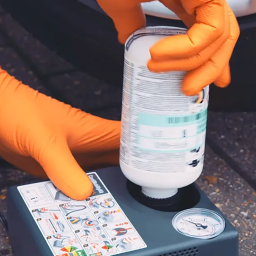
Avoid plugs, patches, sealants, or other temporary solutions for serious sidewall damage.Step 4: Arrange Professional Assistance
A qualified tyre professional can determine whether the tyre is safe or needs replacement.Step 5: Replace the Tyre If Necessary
If the sidewall has structural damage, replacement is generally the appropriate solution.How Can Grip N Go Help with Damage?
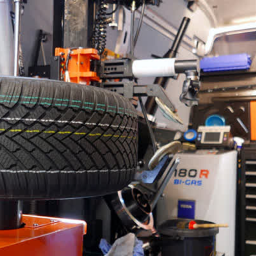
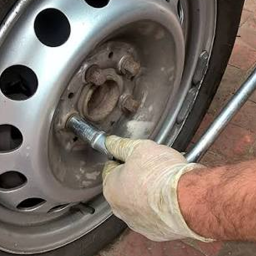
Discovering a damaged tyre can be frustrating, particularly when your vehicle is parked at home, outside work, or stranded at the roadside.You may not want to risk driving to a tyre centre with a damaged sidewall.That’s where Grip N Go Mobile Tyres can help.Our team provides mobile tyre services, so we can assess tyre problems at your location.Depending on the condition of the tyre, our mobile service can help with:- Tyre inspection
- Mobile tyre replacement
- Emergency tyre replacement
- Mobile tyre fitting
- Roadside tyre assistance
- Other tyre-related problems
How to Prevent Damage?
You cannot avoid every pothole or road hazard, but several habits can reduce the risk.Keep Tyres Properly Inflated
Check pressures regularly and use the manufacturer’s recommended pressure.Avoid driving for extended periods with under-inflated tyres.Give Kerbs More Space
Try not to scrape tyres against kerbs while parking or turning.Even repeated light impacts can gradually damage tyre sidewalls.Slow Down for Potholes
If you spot a pothole, reduce your speed safely and avoid it where possible.Never make a sudden steering movement that could create another hazard.Don’t Overload Your Vehicle
Stay within your vehicle’s recommended load limits.Excessive weight increases stress on tyres.Inspect Tyres Regularly
A quick inspection can identify bulges, cuts and cracks before they become a bigger problem.TyreSafe recommends regularly checking pressure, condition and tread.Tyre Sidewall Damage vs Tread Damage
The location of tyre damage matters.| Damage | Usually Repairable? | Recommended Action |
|---|---|---|
| Small central tread puncture | Sometimes | Professional inspection |
| Sidewall puncture | No | Replace tyre |
| Sidewall bulge | No | Replace tyre |
| Deep sidewall cut | No | Replace tyre |
| Severe sidewall cracking | No | Replace tyre |
| Light superficial scuff | Depends | Professional inspection |
| Damaged bead | Generally no | Professional assessment/replacement |