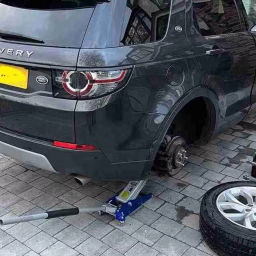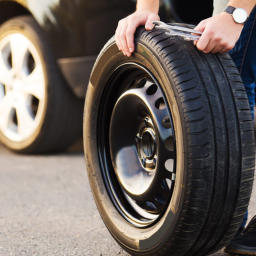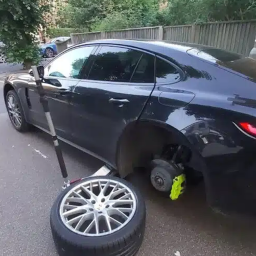
Your tyres are one of the most important safety components on your vehicle. They are the only part of the car constantly in contact with the road, so problems with pressure, tread, condition, or damage can affect braking, handling, and grip. However, you do not always need to take your car to a traditional garage just to have your tyres checked. A mobile tyre inspection can bring professional tyre assessment to a suitable location, whether your vehicle is parked at home, at work, or elsewhere.At Grip N Go Mobile Tyres, our team can provide mobile tyre services that make tyre checks, repairs and replacements more convenient. If you have noticed unusual tyre wear, repeated pressure loss or visible damage, a professional inspection can help establish what is happening before the problem becomes more serious.
What Is a Mobile Tyre Inspection?
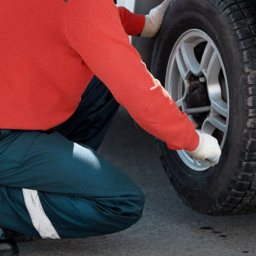
A mobile tyre inspection is a professional assessment of your vehicle’s tyres carried out at a suitable location.Rather than taking your vehicle to a tyre centre, a mobile tyre professional can inspect the tyres where your vehicle is parked, provided the location is safe and suitable for the work.A tyre inspection can look at areas such as:- Air pressure
- Tread depth
- Tyre condition
- Sidewall damage
- Uneven wear
- Cuts and cracks
- Bulges
- Embedded objects
- Valve condition
- Signs of impact damage
- Possible punctures
Why Is a Mobile Tyre Inspection Important?
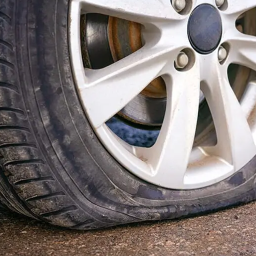
A tyre can look fine from a distance while still having a problem.For example, you may have:- A slow puncture
- Incorrect tyre pressure
- Uneven tread wear
- A small cut
- Sidewall cracking
- A damaged valve
- An embedded object
- Damage caused by a pothole
- A wheel alignment issue causing unusual wear
What Does a Mobile Tyre Inspection Check?
A professional inspection should go beyond simply looking at whether a tyre appears inflated.1. Tyre Pressure
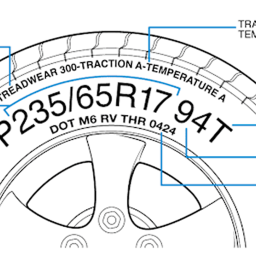
Correct pressure is essential for safe handling, braking, tyre life and efficiency.The recommended pressure for your vehicle can normally be found in the owner’s handbook, inside the fuel filler flap or on the driver’s door sill.TyreSafe recommends checking pressures with a reliable gauge and following the vehicle manufacturer’s specifications.Underinflation can cause excessive flexing, increased wear and greater susceptibility to impact damage.Overinflation can reduce the tyre’s contact area with the road and affect grip and handling.2. Tread Depth
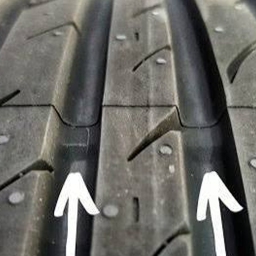
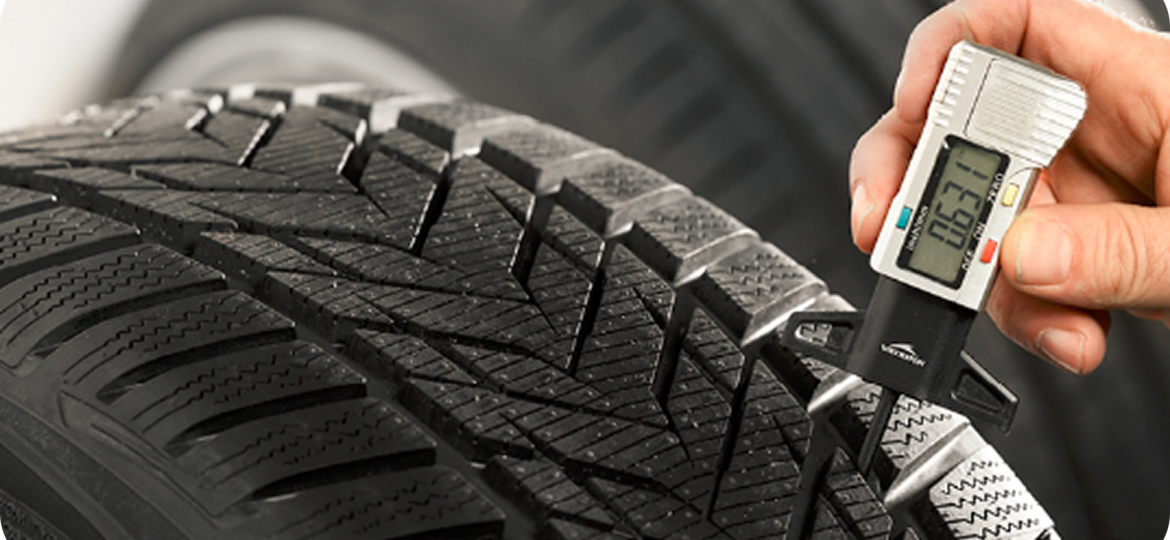
Tread depth is another important part of a tyre inspection.For cars in the UK, the legal minimum tread depth is 1.6 mm across the central three-quarters of the tread and around the entire circumference.However, a tyre does not suddenly become dangerous only when it reaches the legal minimum. TyreSafe’s current guidance suggests considering replacement once tread depth falls below 3 mm.An inspection can identify tread wear and whether your tyres are approaching a point where replacement should be considered.3. Tyre Condition
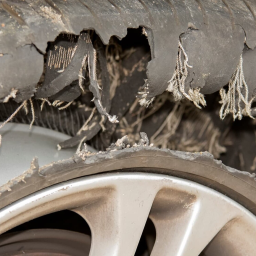
A proper inspection also looks for visible signs of damage.This can include:- Cuts
- Cracks
- Bulges
- Lumps
- Exposed cords
- Embedded objects
- Abnormal wear
- Damage around the shoulder
- Sidewall deterioration
4. Sidewall Condition
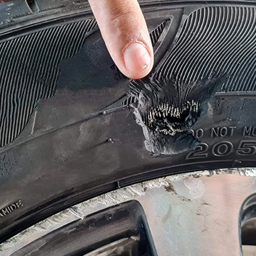
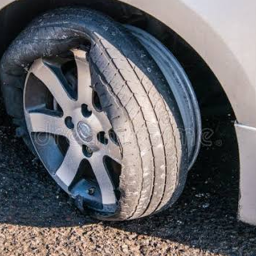
The sidewall is particularly important because damage in this area can compromise the structure of the tyre.An inspection can look for:- Deep cuts
- Cracking
- Bulges
- Scuffing
- Impact damage
- Signs of ageing
5. Uneven Tyre Wear
Uneven tread wear can provide useful information about what is happening with the vehicle.You may notice:- More wear on the inner edge
- More wear on the outer edge
- Excessive centre wear
- Irregular patches
- Cupping or scalloping
Can a Mobile Tyre Inspection Find a Slow Puncture?
A professional inspection can help identify signs of a slow puncture or gradual air loss.You may suspect a slow puncture if:- One tyre repeatedly loses pressure
- Your TPMS warning keeps appearing
- A tyre looks noticeably softer than the others
- You regularly need to add air
- You find a nail, screw or other object in the tread
When Should You Book a Mobile Tyre Inspection?
You do not have to wait until you have a completely flat tyre.A mobile tyre inspection can be useful when you notice something unusual about your tyres.After Hitting a Pothole
A significant pothole impact can damage a tyre or wheel.Even if the tyre does not immediately lose air, an inspection can help identify visible damage or unusual wear.After Hitting a Kerb
Kerb impacts can damage sidewalls, wheels, and other components.If the impact was significant, having the tyre checked can provide peace of mind and help identify problems that may not be immediately obvious.When a Tyre Keeps Losing Pressure
Repeated pressure loss should not be ignored.The cause could be a puncture, valve issue, bead leak, wheel problem, or another fault.Before a Long Journey
A tyre inspection can be particularly useful before a long motorway journey.Check your tyres, pressure and tread before travelling rather than discovering a problem hundreds of miles from home.TyreSafe recommends tyre checks before long journeys as well as regular monthly checks.When Buying Part-Worn Tyres
If you are considering part-worn tyres, inspection is particularly important.TyreSafe has highlighted concerns around compliance and safety in parts of the UK part-worn tyre market and recommends consumers remain vigilant when purchasing them.What Happens If a Problem Is Found?
A tyre inspection is not necessarily the end of the process.If a problem is discovered, the appropriate next step depends on the condition of the tyre.For example:Low pressure: The tyre can be inflated to the manufacturer’s recommended pressure after the cause of the pressure loss has been considered.Repairable puncture: A suitable puncture may be professionally repaired after inspection.Severe damage: The tyre may need replacing.Uneven wear: The underlying cause may need further investigation.Worn tread: Replacement may be recommended before the tyre reaches an unsafe condition.The important point is that the solution should be based on the actual condition of the tyre rather than simply replacing or repairing it without an inspection.Mobile Tyre Inspection vs Garage Inspection
The main difference is where the service takes place.A traditional tyre centre requires you to take the vehicle to the premises.With a mobile service, the technician can come to a suitable location.This can be useful if you are:- At home
- At work
- In a business car park
- Parked before a journey
- Dealing with a tyre problem that makes driving inconvenient
Can You Inspect Your Own Tyres?
Yes, drivers can and should carry out basic tyre checks themselves.TyreSafe’s A.C.T. approach provides a simple way to remember the essentials:A = Air PressureCheck the pressure against your vehicle manufacturer’s recommended settings.C = ConditionLook for cuts, cracks, bulges, and objects embedded in the tread.T = Tread DepthCheck the tread depth and monitor how quickly it is wearing.TyreSafe recommends making these checks part of your regular vehicle maintenance routine.However, a professional inspection is useful when you are unsure about a problem or notice something unusual.Why Choose Grip N Go for Mobile Tyre Inspection?
At Grip N Go Mobile Tyres, our mobile service is designed to make tyre maintenance and replacement more convenient.If you have noticed a tyre problem but are unsure whether you need a repair or replacement, our team can assess the situation and advise on the appropriate next step.Our mobile tyre services can include:- Mobile tyre inspection
- Mobile tyre repair
- Puncture repair
- Emergency tyre repair
- Mobile tyre replacement
- Mobile tyre fitting
- Emergency tyre assistance
Why Regular Tyre Inspections Matter
A tyre problem that is identified early may be easier to deal with than a tyre failure that happens unexpectedly.Regular checks can help you spot:- Falling tyre pressure
- Increasing tread wear
- Sidewall damage
- Cracking
- Uneven wear
- Embedded objects
- Other visible defects