OrChoosing new tyres can be surprisingly difficult. Walk into a tyre shop or search online, and you can find dozens of options in the same size. Michelin, Continental, Goodyear, Pirelli, Bridgestone, Hankook, Dunlop, and many other manufacturers produce tyres for different vehicles, seasons, and driving conditions. So how do you know which one is right for you? This is where tyre reviews, tests and ratings can help. Independent tyre testing provides measurable data on braking, handling, wet grip, comfort, noise, and other characteristics, while owner reviews offer insight into how tyres perform in everyday driving.Tyre Reviews is one example of a platform that combines independent testing with driver feedback. Its current database includes hundreds of published tyre tests and thousands of tyre ratings and owner reviews.However, a tyre that performs well in one test is not automatically the right tyre for every driver. Your vehicle, tyre size, driving conditions and priorities all matter.
What Are Tyre Reviews, Tests and Ratings?
Tyre reviews generally contain information from one or more of three sources:- Professional tyre tests
- Independent measurements
- Reviews from drivers who own the tyres
Why Should You Read Tyre Reviews Before Buying?
Tyres are one of the most important components on your vehicle because they are the only part directly connecting the car to the road.The right tyre can affect:- Wet braking
- Dry braking
- Steering response
- Cornering
- Ride comfort
- Road noise
- Fuel or energy efficiency
- High-speed stability
- Snow and cold-weather performance
- Overall driving feel
How Are Tyres Tested?
Professional tyre testing usually involves controlled conditions designed to make comparisons meaningful.Tyre Reviews says its tests are carried out back-to-back, using the same vehicle and professional proving grounds. Its testing uses equipment including GPS data loggers, accelerometers and calibrated microphones. A control tyre is also retested during sessions to help maintain consistency.Depending on the test, tyres can be evaluated for characteristics such as:Wet Braking
Wet braking is particularly important for everyday UK driving.A test may measure the distance required to stop from a particular speed on a wet surface.Small differences in braking distance can matter when unexpected hazards appear on the road.Dry Handling
Dry handling tests can provide information about steering response, cornering behaviour and overall control.This can be particularly relevant for drivers who spend time on faster roads or prefer more responsive handling.Wet Handling
A tyre that feels good on a dry road may behave differently in heavy rain.Wet handling testing can help demonstrate how a tyre performs when grip is reduced.Noise and Comfort
Not every driver is looking for maximum performance.For motorway commuters and families, a quiet and comfortable tyre may be more important than sharp steering response.Tyre testing can therefore include measurements and assessments related to road noise and ride comfort.Rolling Resistance
Rolling resistance describes the energy required for a tyre to roll along the road.Lower rolling resistance can contribute to improved efficiency, although tyre selection should not be based on this characteristic alone.This can be particularly relevant for electric vehicles, where efficiency and range are important considerations.What Do Tyre Ratings Actually Tell You?
When you read a tyre rating, it is important to understand what is being measured.A single overall score can be convenient, but individual categories often provide more useful information.For example, one tyre may perform particularly well in wet braking while another may offer advantages in comfort or mileage.The best choice depends on what matters most to you.Tyre Reviews’ current tyre selection guide considers factors including tyre size, season, vehicle type, independent tests, owner reviews, efficiency, wet safety, dry handling, comfort, value and wear.This is a useful way to think about tyre selection: there is no single characteristic that determines whether a tyre is suitable for every driver.Tyre Size Comes Before the Rating
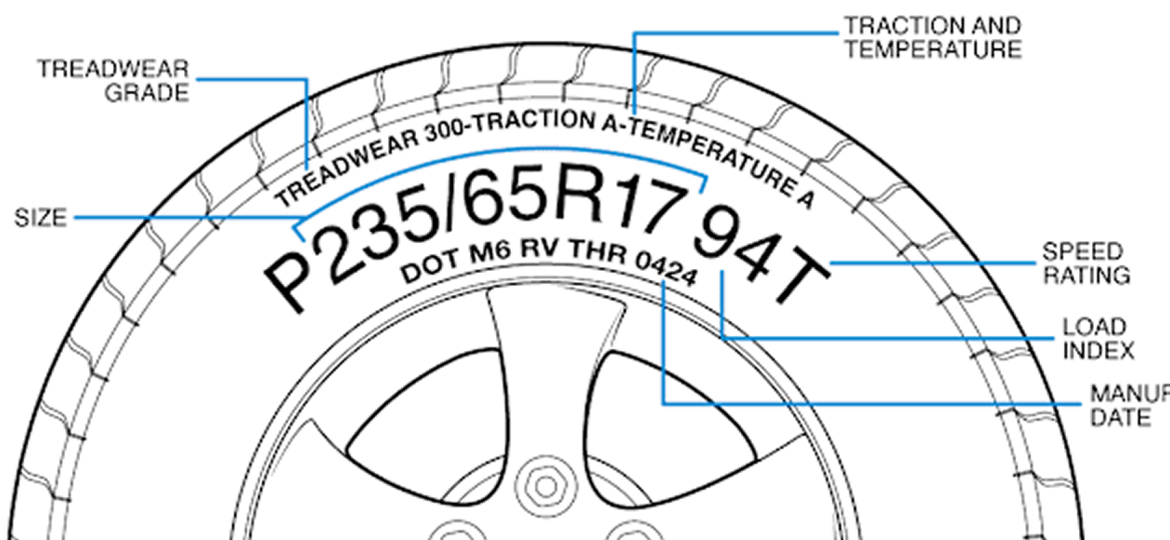
Before comparing tyre ratings, make sure you are comparing tyres that are actually suitable for your vehicle.Tyre size is normally displayed on the sidewall in a format such as:225/45 R17 94WThe numbers and letters describe characteristics such as:- Tyre width
- Aspect ratio
- Construction
- Wheel diameter
- Load index
- Speed rating
Summer, Winter and All-Season Tyres
Tyre tests are also divided into different categories.Summer Tyres
Summer tyres are designed primarily for warmer conditions and normal road use.They can provide strong dry and wet-road performance when used within their intended conditions.Winter Tyres
Winter tyres are designed for colder conditions and can provide characteristics suited to cold temperatures, snow and ice.They are not simply “better” tyres. They are designed for a different set of conditions.All-Season Tyres
All-season tyres are designed to provide a compromise across a broader range of weather conditions.They can be particularly interesting for drivers who want one tyre set for year-round use.Current Tyre Reviews testing includes separate categories for summer, all-season, winter, SUV/all-terrain and specialist performance tyres.Premium vs Mid-Range vs Budget Tyres
Tyre reviews can also help when deciding between different price categories.The market generally includes:- Premium tyres
- Mid-range tyres
- Budget tyres
Owner Reviews vs Professional Tests
Both can be useful, but they answer different questions.Professional Tests
Controlled tests are useful for comparing tyres under consistent conditions.They can provide measured information that is difficult for an individual driver to obtain.Owner Reviews
Owner reviews can provide insight into long-term everyday use.Tyre Reviews says its owner reviews cover areas including how tyres wear and what they are like to live with. Its database includes hundreds of thousands of individual ratings and extensive driver mileage data.For example, an owner may comment on:- Road noise
- Comfort
- Tread life
- Steering feel
- Wet-weather confidence
- Fuel consumption
- Everyday driving
Does a Higher Tyre Rating Always Mean a Better Tyre?
Not necessarily.A rating is meaningful within the context in which it was produced.A tyre designed for sporty driving may score very well in dry handling but may not be the most appropriate choice for someone who prioritises quiet motorway driving and long tread life.Similarly, a tyre designed for winter conditions should not be judged only against a summer tyre in warm, dry weather.This is why it is better to ask:“Which tyre suits my vehicle and driving?”rather than simply:“Which tyre has the highest rating?”What Should You Look For in a Tyre Review?
When comparing reviews, pay attention to:1. Tyre Size
Make sure the test is relevant to your required size.Performance can vary between different tyre sizes and vehicle applications.2. Test Conditions
Look at whether the tyre was tested in wet, dry, cold, snow or other conditions.3. Vehicle Used
A tyre’s behaviour can change depending on the vehicle it is fitted to.4. Performance Categories
Do not look only at the overall score. Check braking, handling, comfort, noise and efficiency where available.5. Owner Feedback
Look for repeated patterns across multiple owner reviews rather than relying on one comment.6. Intended Use
Think about your own driving.Do you mainly drive around town? Or do you commute on motorways? If not do you carry heavy loads?Or do you drive an SUV? Do you need winter capability?Your answers can change which tyre characteristics matter most.Tyre Reviews Can Help With Popular Brands
Independent test databases contain tyres from many manufacturers, making it possible to compare products within and across brands.Tyre Reviews currently holds data across hundreds of brands and thousands of tyre patterns, with separate information for brands including Michelin, Continental, Goodyear, Pirelli, Bridgestone, Hankook and Dunlop.This can be particularly helpful when you are replacing a tyre and want to understand whether your current model is still the best fit for your needs.However, remember that brand reputation alone should not determine your decision.A specific tyre model, size, and vehicle application are much more relevant than the logo on the sidewall.What About Tyre Reviews for Electric Cars?
Electric vehicles can have different tyre requirements from conventional petrol or diesel cars.EVs can be heavier because of their battery packs and produce immediate torque. They can also place particular importance on efficiency and road noise.When choosing EV tyres, consider:- Correct load rating
- Manufacturer approval where applicable
- Rolling resistance
- Wet grip
- Noise
- Vehicle-specific requirements
- Tyre size
Should You Replace All Four Tyres?
It depends on the condition of your existing tyres and your vehicle’s requirements.If only one tyre is damaged, replacing it may sometimes be possible. However, fitting mismatched tyres can affect vehicle behaviour, particularly on vehicles with specific tyre requirements or all-wheel-drive systems.If you are replacing only one or two tyres, a tyre professional can advise on the appropriate solution based on the vehicle, tread depths and tyre specifications.Do not assume that matching only the brand is enough. The exact tyre model, size and specification matter.What Grip N Go Can Help With?
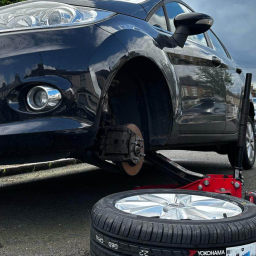
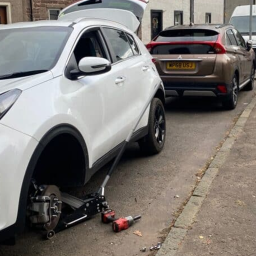
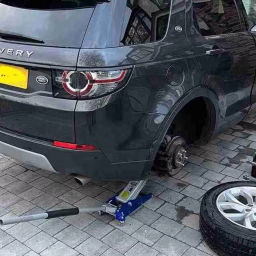
Tyre research is useful when you are choosing new tyres, but eventually you may need professional fitting.At Grip N Go Mobile Tyres, our team can provide mobile tyre fitting, tyre replacement and tyre-related assistance where the service is available.Instead of taking time out of your day to drive to a tyre centre, mobile fitting allows the work to be carried out at a suitable location.Our services can be useful when you need:- Mobile tyre fitting
- Emergency tyre replacement
- Mobile puncture repair
- Replacement of worn tyres
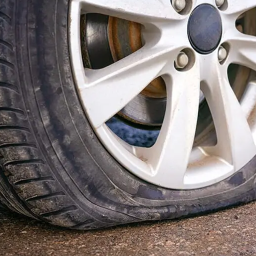
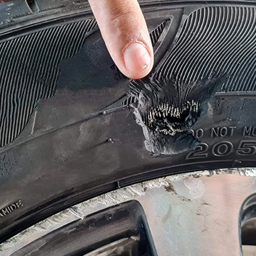
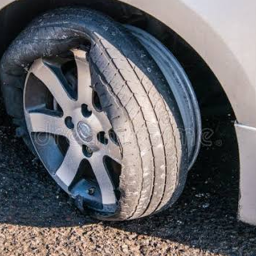
- Assistance after tyre damage
- Tyre fitting at a convenient location
Do Not Choose a Tyre Based on Reviews Alone
Online reviews are useful, but they should be one part of your decision.Before buying, confirm:- Correct tyre size
- Load index
- Speed rating
- Vehicle compatibility
- Seasonal suitability
- Manufacturer recommendations
- Your normal driving conditions
- Your budget