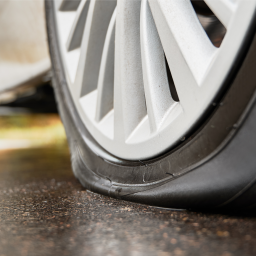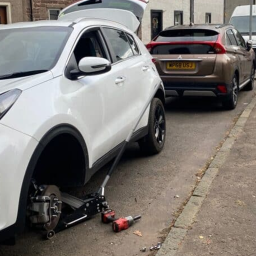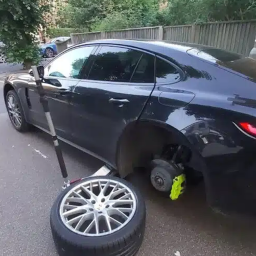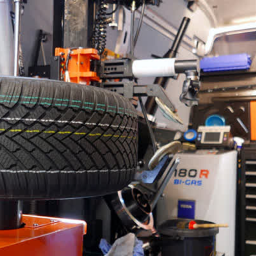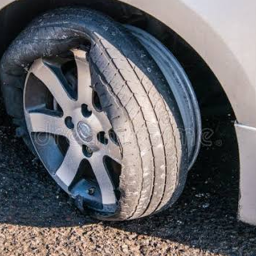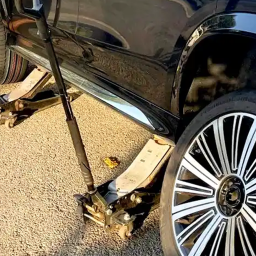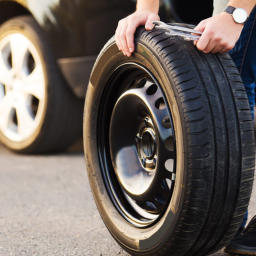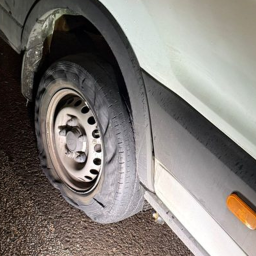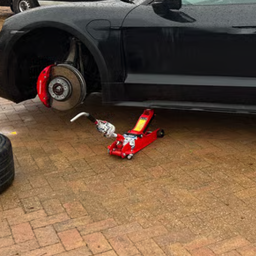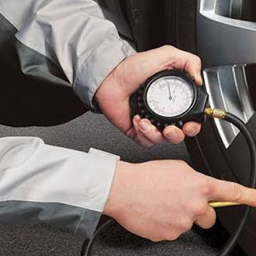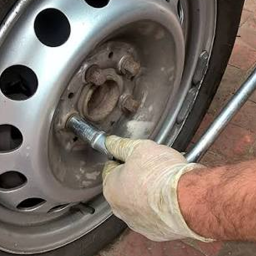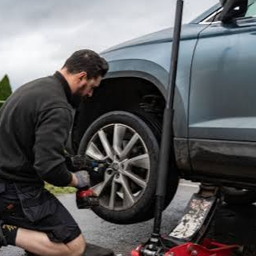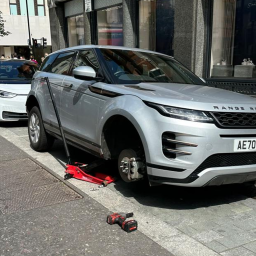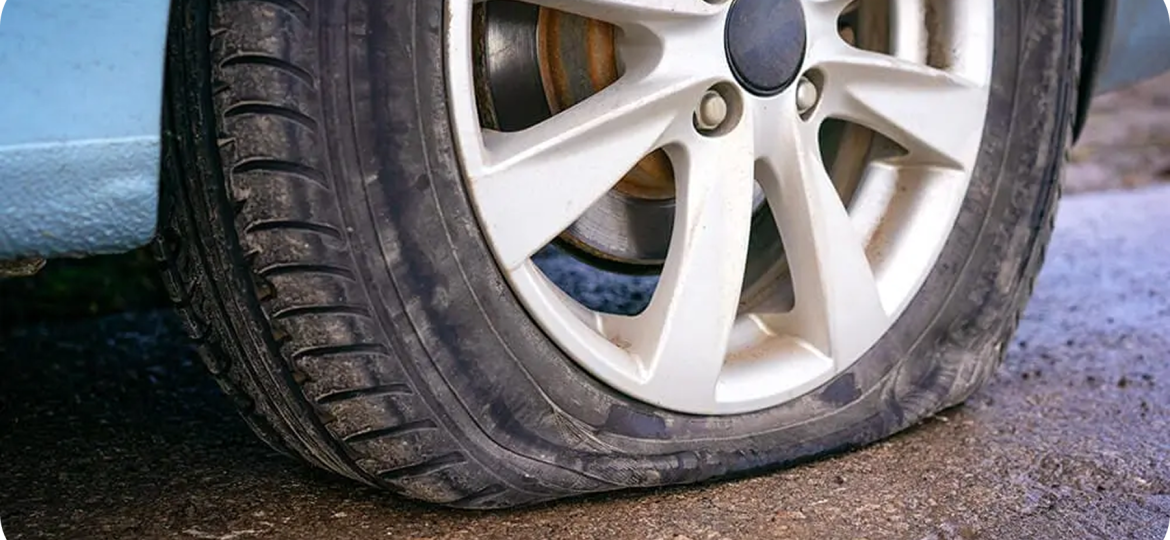
Getting a flat tyre in Manchester can quickly turn a normal journey into a stressful situation. You might be heading to work, travelling through the city, parked outside your home, or stuck on the roadside with somewhere important to be.The first thing to remember is simple: do not keep driving on a flat or severely underinflated tyre. Stop somewhere safe as soon as you can and assess the situation. Driving on a damaged or deflated tyre can cause further damage to the tyre and wheel and may affect vehicle handling. The UK Highway Code advises drivers to stop as soon as it is safe to do so and only change a tyre if they can do it without putting themselves or others at risk.If you cannot safely change the wheel yourself, do not have a suitable spare, or need a replacement tyre, Grip N Go Mobile Tyres can provide professional mobile tyre assistance.
What Should You Do If You Get a Flat Tyre in Manchester?
If you suddenly notice that your tyre has lost pressure, try not to panic.Your vehicle may pull to one side, feel unusual through the steering wheel, or produce a thumping or flapping sound. A tyre pressure warning light may also appear on the dashboard.When you realise there is a problem:- Reduce your speed gradually.
- Avoid sudden steering or braking.
- Look for somewhere safe to stop.
- Pull over as soon as it is safe.
- Switch on your hazard warning lights if your vehicle is causing an obstruction.
- Check the tyre from a safe position.
- Do not continue driving on a flat tyre unless your specific vehicle and tyre manufacturer allows limited run-flat operation.
- Arrange professional assistance if necessary.
Can You Drive With a Flat Tyre?
In most situations, you should not drive on a flat tyre.A conventional tyre that has completely or significantly lost its air pressure can suffer internal damage while the vehicle is moving. Continuing to drive can also damage the wheel and make the vehicle harder to control.Even if the tyre does not look completely flat, significant underinflation can affect steering, braking, handling and tyre wear. The Highway Code states that tyre pressures should be maintained according to the vehicle manufacturer’s specification.There is an exception for certain run-flat tyres. Some run-flat tyres are specifically designed to allow limited driving after a loss of pressure, but the manufacturer’s restrictions must be followed. TyreSafe states that certain RF tyres can operate uninflated for at least 50 miles at a maximum of 50 mph, provided the vehicle has an operational TPMS.Do not assume that every tyre can be driven on after losing pressure.Why Has Your Tyre Gone Flat?
A flat tyre does not always mean that you can see a large nail or screw sticking out of the tread.There are several possible causes.1. Puncture
Sharp objects such as nails, screws, glass and other road debris can penetrate the tyre and allow air to escape.Some punctures happen quickly, while others develop into slow punctures that gradually reduce tyre pressure. TyreSafe notes that punctures can result in either rapid or gradual pressure loss.2. Valve Damage
A damaged, loose or leaking valve can allow air to escape even when the tread appears to be in good condition.This can sometimes make a tyre appear to have a mysterious slow leak.3. Wheel or Bead Damage
The tyre needs to form a proper seal against the wheel rim. Corrosion, damage or problems around the bead can cause air to escape.A damaged wheel can also result in repeated pressure loss.4. Sidewall Damage
Cuts, cracks, bulges and other sidewall damage can compromise the tyre.Sidewall damage should never be ignored simply because the tyre still appears to hold some air.5. Pothole or Kerb Impact
Manchester’s roads can present drivers with potholes, uneven surfaces and kerbs. A significant impact can damage both the tyre and wheel.Sometimes the damage is not immediately obvious.6. Temperature Changes
Changes in temperature can affect tyre pressure. This does not necessarily mean there is a puncture.If the tyre repeatedly loses pressure, however, it should be professionally inspected rather than simply inflated again and again.What If You Have a Slow Puncture?
A slow puncture can be particularly frustrating because the tyre may look normal when you first inspect it.You may notice:- The tyre pressure warning light coming on repeatedly
- One tyre becoming softer than the others
- Needing to inflate the same tyre regularly
- Gradual loss of pressure overnight
- Steering feeling different
- Uneven tyre wear
Can a Flat Tyre Be Repaired?
Sometimes, but not every flat tyre can or should be repaired.A professional tyre specialist needs to inspect the tyre and determine whether the damage is suitable for repair.Factors can include:- Where the damage is located
- The size and nature of the damage
- The condition of the tyre
- Tread depth
- Previous repairs
- Internal tyre damage
- Sidewall condition
- Whether the tyre has been driven while severely underinflated
What If You Get a Flat Tyre on a Manchester Motorway?
This is where safety becomes even more important.If your flat tyre occurs on a motorway, do not attempt to change it yourself on the carriageway.The Highway Code advises drivers experiencing a motorway breakdown to leave at the next exit or pull into a service area where possible. If that is not possible, move into an emergency area or onto the hard shoulder if available, stop as far left as possible and switch on your hazard lights.If it is safe to leave the vehicle, exit from the side furthest from traffic and move well away from moving vehicles, preferably behind a safety barrier.Most importantly, the Highway Code specifically states:Do not attempt repairs on your vehicle.Instead, contact a breakdown recovery service or appropriate roadside assistance.What If You Do Not Have a Spare Tyre?
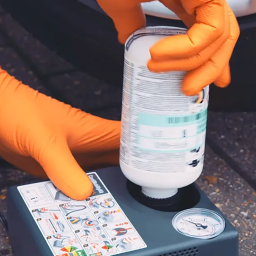
Many modern cars do not come with a traditional spare wheel.Instead, your vehicle might have:- A tyre repair kit
- Compressor and sealant
- Space-saver spare
- Run-flat tyres
Flat Tyre in Manchester? When Should You Call Grip N Go?
If you have a flat tyre in Manchester and cannot safely resolve the problem yourself, professional mobile assistance can save you the hassle of arranging a trip to a garage.You may want to call Grip N Go if:- Your tyre is completely flat
- You have a puncture
- Your tyre keeps losing pressure
- You do not have a spare
- Your spare tyre is damaged or unsuitable
- Your tyre has sidewall damage
- Your wheel may have been damaged
- You have a locking wheel nut problem
- You need a replacement tyre
- You are unable to change the wheel yourself
Why Choose Mobile Tyre Assistance?
A flat tyre is already inconvenient. Having to remove the wheel, find a suitable spare and then drive to a garage can make the situation even more difficult.With a mobile tyre service, professional help comes to your location.This can be particularly useful if you are:- At home
- At work
- In a car park
- On a local road
- Stranded before an important journey
- Unable to safely drive to a garage
How to Reduce the Risk of a Flat Tyre?
You cannot prevent every puncture, but regular tyre checks can help identify problems before they become emergencies.Check your tyres regularly for:- Correct air pressure
- Cuts
- Cracks
- Bulges
- Uneven wear
- Foreign objects
- Low tread
- Visible damage
Do Not Ignore a Repeatedly Flat Tyre
If you inflate a tyre today and find it flat again tomorrow, there is a reason.Repeated pressure loss could indicate:- A slow puncture
- Valve leakage
- Bead leakage
- Wheel damage
- Tyre damage
- Incorrect fitting