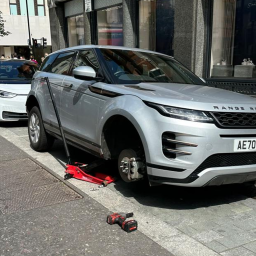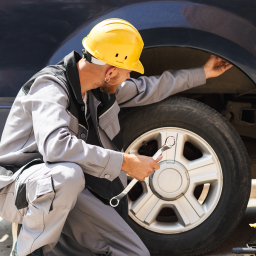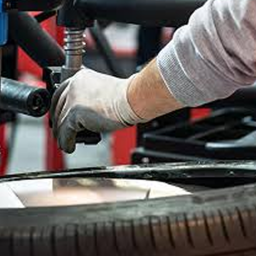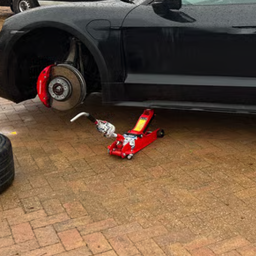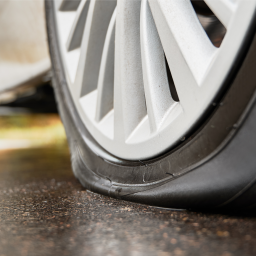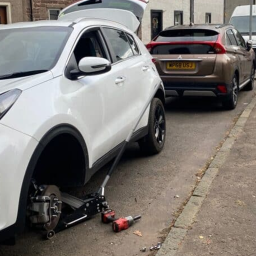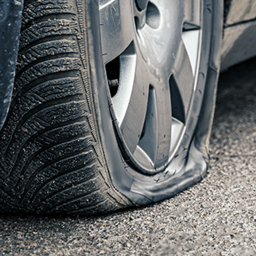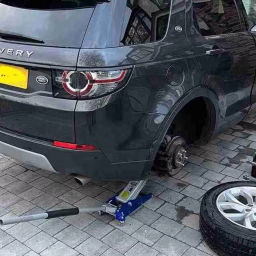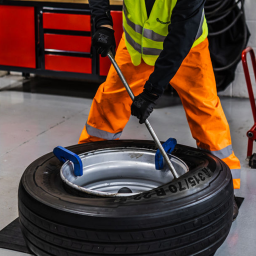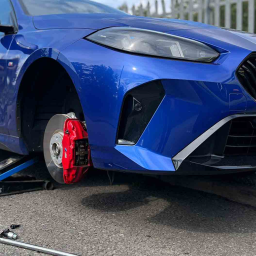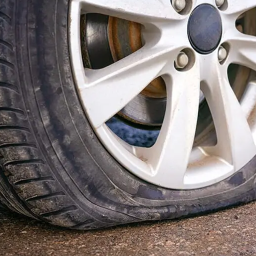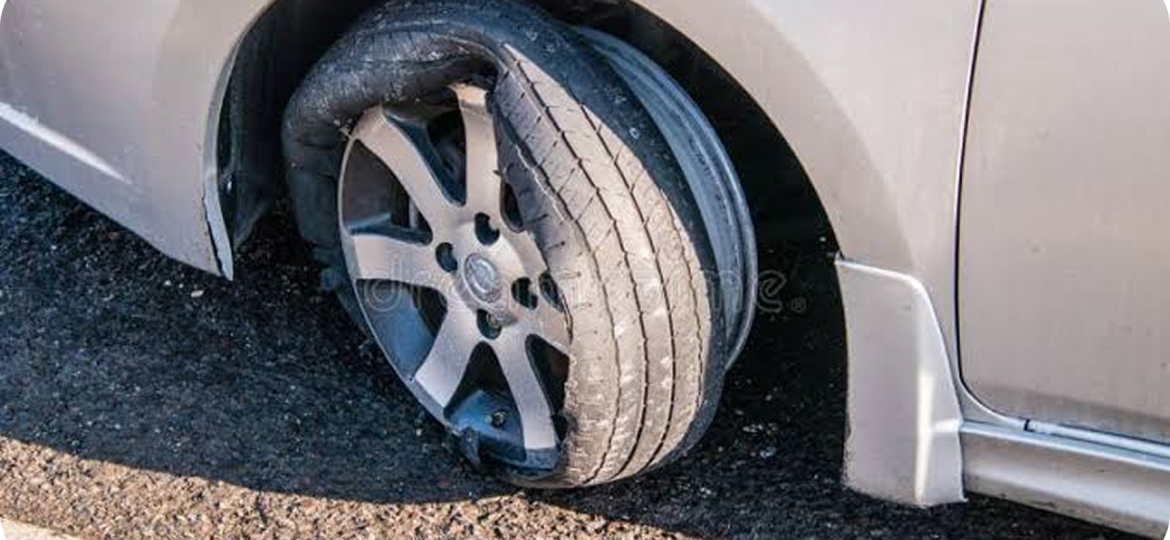
If your tyre has come off the rim, do not continue driving. This is more serious than an ordinary flat tyre because the tyre may no longer be properly seated against the wheel. Continuing to drive can damage the tyre, rim and potentially other vehicle components.A tyre can come away from the rim for several reasons. Severe under-inflation, driving on a flat tyre, pothole impacts, kerb damage, valve problems and incorrect fitment can all contribute to the problem.If this happens while you are on the road, your priority should be safety. Pull over somewhere safe, switch on your hazard lights, and avoid trying to force the tyre back onto the wheel yourself.At Grip N Go Mobile Tyres, our mobile tyre services can help when your vehicle cannot safely be driven to a garage. Our team can inspect the tyre and wheel at your location and determine whether the tyre needs repair, reseating, or replacement.
What Does It Mean When a Tyre Comes Off the Rim?
The outer edge of a tyre is called the bead. It sits against the wheel rim and forms an important seal that allows the tyre to hold air.When the bead becomes unseated, the tyre can move away from its normal position. You may see the tyre folded, partially detached, completely flat or visibly separated from the edge of the wheel.This can happen gradually or suddenly.For example, a slow puncture may cause the tyre to lose pressure over several days. If the driver continues using the vehicle, the tyre can become severely under-inflated. Eventually, the bead may lose its proper seating.A severe pothole or kerb impact can also damage the tyre or wheel and cause the seal to fail.Once the tyre has come away from the rim, simply adding more air is not necessarily a safe solution.Can You Drive If Your Tyre Has Come Off the Rim?
No. You should not drive normally if your tyre has come off the rim.Even travelling a short distance can make the situation worse. The wheel rim may come into direct contact with the road, while the tyre sidewall can become crushed or damaged.Driving on a severely deflated or unseated tyre can also affect steering and braking control.If the problem happens while driving, reduce your speed carefully and look for a safe place to stop. Avoid sudden steering movements or harsh braking where possible.Once stopped, switch on your hazard lights and stay away from moving traffic.UK safety guidance also stresses the importance of stopping in a safe location during a breakdown or vehicle incident.Do not take the risk of thinking:“It is only a few minutes to the garage.”That short journey could turn a potentially repairable tyre into a tyre that requires complete replacement.
What Should You Do If Your Tyre Has Come Off the Rim?
If you discover that your tyre has separated from the rim, follow these steps.1. Stop Somewhere Safe
If the problem occurs while driving, carefully bring the vehicle to a safe location.Avoid stopping somewhere that leaves you exposed to moving traffic.If you are on a motorway, follow appropriate breakdown safety procedures and move to a place of relative safety if you can do so safely.2. Switch On Your Hazard Lights
Hazard lights help warn approaching drivers that your vehicle has stopped because of a problem.3. Do Not Keep Driving
Do not attempt to drive to a tyre shop or garage.The rim may already be exposed, and driving further could cause additional damage.4. Do Not Try to Force the Tyre Back Onto the Rim
Avoid roadside tricks involving straps, flammable sprays, excessive air pressure or improvised tools.Tyre removal, fitting and inflation can involve significant stored energy. The UK Health and Safety Executive advises that tyre removal, replacement and inflation should be carried out by competent people using appropriate safety measures.5. Contact a Professional Tyre Technician
A mobile tyre technician can inspect the vehicle where it is located.This can be particularly useful when the vehicle cannot safely be driven to a garage.What Causes a Tyre to Come Off the Rim?
There is rarely just one possible cause. Several tyre and wheel problems can lead to bead separation.Severe Under-Inflation
Low tyre pressure is one of the most important causes to consider.When a tyre is significantly under-inflated, its sidewalls flex more than normal. The tyre can become distorted under the weight of the vehicle, particularly when cornering or travelling over uneven surfaces.If the pressure becomes extremely low, the bead can lose its secure position against the rim.This is why regular tyre pressure checks are so important.A tyre that repeatedly loses air should not simply be inflated again and again without finding the cause.Driving on a Flat Tyre
Driving on a flat tyre can cause extensive damage.Without sufficient air pressure, the tyre cannot maintain its normal shape. The sidewall can become compressed between the road and wheel, generating heat and damaging the internal structure.The rim can also become damaged during this process.A tyre may look acceptable from the outside after being driven flat, but internal damage can still exist.For this reason, professional inspection is especially important when a tyre has come off the rim after being driven without sufficient pressure.Pothole Damage
Potholes can deliver a powerful impact to both the tyre and wheel.Depending on the severity of the impact, the tyre can suffer sidewall damage while the rim may become bent or distorted.The impact can also disturb the tyre bead and create an air leak.Sometimes the problem appears immediately.In other cases, the impact creates a slow leak that becomes worse over time.Kerb Impact
Hitting a kerb can also damage the tyre and rim.A hard impact may cause:- Sidewall scuffing
- Cuts or bulges
- Rim distortion
- Bead damage
- Slow air loss
- Wheel vibration
Faulty or Damaged Valve
The tyre valve is another possible source of pressure loss.A damaged, loose or leaking valve can allow air to escape gradually.On vehicles fitted with tyre pressure monitoring systems, the TPMS valve assembly can also require inspection if pressure continues to fall.A small valve problem can eventually become a much larger tyre problem if it is ignored.Incorrect Tyre Size
Tyres must be correctly matched to the wheel and vehicle.Using an unsuitable tyre can affect how securely the bead sits against the rim.The correct tyre specification should always be confirmed before fitting.A tyre that appears to be a close match is not necessarily suitable for the vehicle.Poor Bead Seating or Previous Fitment Issues
A tyre that has not been seated correctly during fitting may develop air leaks around the bead.Dirt, corrosion, or damage around the rim’s bead seating area can also prevent the tyre from sealing properly.If the tyre repeatedly loses pressure around the rim, the wheel and bead area should be inspected.Rim Damage or Corrosion
The condition of the wheel is just as important as the condition of the tyre.A bent, cracked or heavily corroded rim may prevent the tyre from sealing correctly.UK MOT guidance treats serious wheel defects as safety-critical, including cases where wheel condition could lead to the wheel or tyre becoming detached.This is why replacing the tyre alone may not solve the problem if the rim is damaged.Can a Tyre Be Repaired After Coming Off the Rim?
Sometimes, yes, but it depends on the damage.A technician needs to inspect the tyre and wheel before deciding whether repair or reseating is appropriate.The inspection should consider:- Tyre bead condition
- Sidewall condition
- Inner tyre structure
- Tread condition
- Valve condition
- Rim condition
- Bead seating area
- Whether the tyre was driven while flat
When Does a Tyre Need Replacing?
A tyre is more likely to require replacement when serious structural damage is found.Examples include:Damaged Bead
The bead must form a secure seal against the rim.If it is torn, distorted, or otherwise damaged, the tyre may not safely reseat.Sidewall Damage
Cuts, bulges, exposed cords, and severe scuffing can indicate structural damage.Sidewall damage should never be treated as a simple cosmetic problem.Internal Damage
Driving on a flat tyre can damage the internal structure even when the tread appears normal.This is one reason professional inspection matters.Damaged Rim
If the wheel itself is bent, cracked, or badly corroded, fitting another tyre may not solve the problem.The rim needs to provide a suitable surface for the tyre bead to seal against.Repeated Pressure Loss
If the tyre continues losing pressure after being reseated, the underlying problem has not been solved.The valve, rim, bead and tyre should all be checked.Can You Pump a Tyre Back Onto the Rim?
You should not rely on simply pumping air into a tyre that has come off the rim.If the bead is not seated correctly, air can escape before the tyre reaches the required pressure.More importantly, successful inflation does not automatically mean the tyre is safe.The tyre may have hidden bead, sidewall, or internal damage.Professional tyre equipment and proper procedures should be used when reseating and inflating a tyre.The HSE highlights the hazards associated with tyre inflation and recommends competent staff and suitable safety controls for tyre work.Should You Use Tyre Sealant?
Tyre sealant is designed for certain types of punctures. It is not a solution for a tyre that has physically separated from its rim.Sealant cannot repair:- A damaged tyre bead
- A bent rim
- A damaged sidewall
- A faulty valve
- Severe internal tyre damage
- Incorrect tyre fitment
Why DIY Tyre Reseating Can Be Dangerous
You may find online videos showing different ways to reseat a tyre at home.However, tyre inflation is not something to experiment with.A tyre contains stored energy when pressurised. Incorrect inflation techniques, damaged components, or excessive pressure can create serious risks.The HSE specifically warns that tyre inflation and tyre removal can result in serious injuries if appropriate procedures and equipment are not used.For this reason, avoid attempting improvised methods involving fire, flammable substances, excessive pressure or homemade tools.A professional tyre technician has the equipment and experience to determine whether the tyre can safely be reseated or needs replacing.How to Prevent a Tyre Coming Off the Rim
Although every tyre failure cannot be prevented, regular maintenance can significantly reduce the risk.Check Your Tyre Pressure
Check tyre pressures regularly and use the vehicle manufacturer’s recommended pressures.Do not ignore repeated pressure loss.If one tyre repeatedly becomes soft, find the cause instead of continuously adding air.Inspect Tyres After Pothole Impacts
After a serious pothole impact, look for:- Sidewall bulges
- Cuts
- Uneven tyre seating
- Visible rim damage
- Pressure loss
- Steering vibration
Avoid Driving on Flat Tyres
If a tyre suddenly loses pressure, stop as soon as it is safe to do so.Driving on it can turn a manageable tyre problem into a much more expensive repair.Use the Correct Tyre Size
Always fit tyres that meet your vehicle’s requirements.The size, load rating and speed rating should be suitable for the vehicle and wheel.Respond to TPMS Warnings
If your tyre pressure warning light appears, check the tyre rather than simply resetting the warning.A warning may indicate a puncture, valve issue, or another source of pressure loss.How Can Grip N Go Help When Your Tyre Comes Off the Rim?
When a tyre has come off the rim, getting to a garage can be difficult because the vehicle may not be safe to drive.That is where mobile tyre assistance can make things easier.Grip N Go Mobile Tyres provides mobile tyre services at your location, helping drivers deal with tyre problems without necessarily having to drive an unsafe vehicle to a garage.Our team can assess the tyre and wheel and determine the appropriate solution.Depending on the condition, that could involve:- Tyre inspection
- Mobile tyre repair
- Tyre reseating
- Mobile tyre replacement
- Valve-related work
- Checking the wheel for visible damage
What Information Should You Give a Mobile Tyre Fitter?
When requesting mobile tyre assistance, give as much useful information as possible.Tell the technician:- Your exact location
- Vehicle make and model
- Registration number
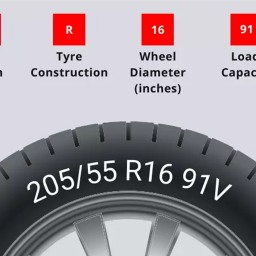
- Tyre size, if visible
- Whether the tyre is completely off the rim
- Whether it is partially unseated
- Whether you drove on the tyre while flat
- Whether you hit a pothole or kerb
- Whether a tyre pressure warning appeared
- Whether the rim looks damaged