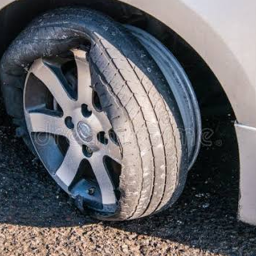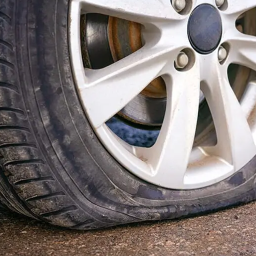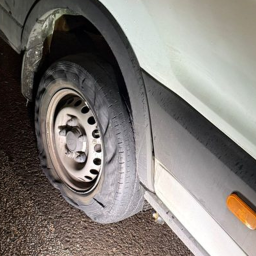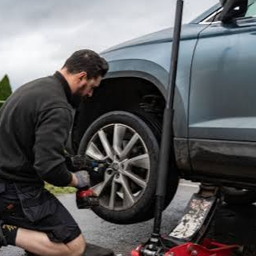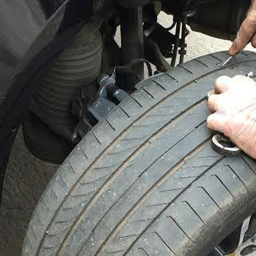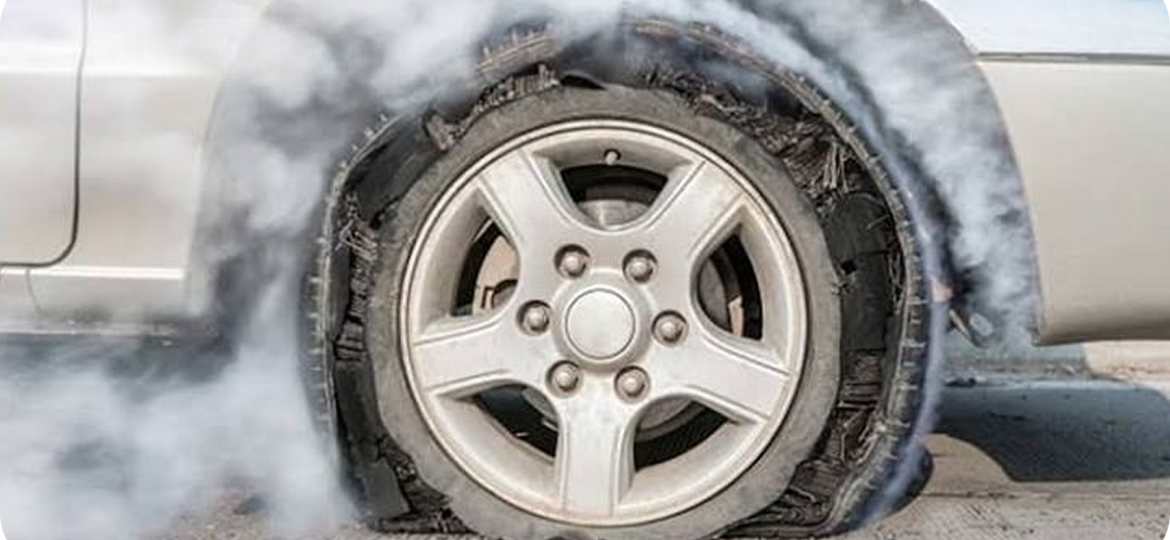
A tyre blowout is one of the most frightening problems a driver can experience. When a tyre bursts at high speed, the sudden loss of pressure can affect the vehicle’s handling and make it difficult to maintain control. Knowing how to react can make an important difference.Tyre blowouts can have several causes, including an unattended puncture, worn or ageing tyres, sudden pressure loss, impact damage, and incorrect tyre pressure. The RMI guidance supplied for this topic also highlights these as common causes of tyre failure at speed.For UK drivers, however, safety must come first. The Highway Code advises drivers to keep control of the vehicle, allow it to roll to a stop, and only stop or attempt a tyre change when it is safe to do so.
What Happens When a Tyre Bursts at High Speed?
When a tyre suddenly fails, you may notice several warning signs almost immediately.Your vehicle might:- Pull or swerve to one side
- Become difficult to steer
- Produce a loud bang
- Vibrate heavily
- Feel unstable
- Begin slowing down unexpectedly
Stay Calm and Keep Both Hands on the Wheel
If your tyre bursts at high speed, your priority should be maintaining control.Keep both hands firmly on the steering wheel and concentrate on keeping the vehicle moving in a controlled direction.The RMI guidance recommends holding the steering wheel firmly and avoiding sudden steering movements after a blowout.Don’t make a sharp turn simply because the vehicle begins pulling towards one side. Instead, make smooth, controlled steering corrections.Don’t Slam on the Brakes
Your natural reaction may be to hit the brakes immediately.However, sudden braking can make a vehicle harder to control after a tyre failure. The RMI guidance specifically advises drivers not to brake aggressively immediately after a high-speed blowout.Instead, focus first on keeping the vehicle under control and gradually reducing speed.Once the vehicle has slowed sufficiently and you have control, you can brake gently when appropriate.Gradually Reduce Your Speed
After a blowout, don’t make sudden movements with the accelerator or steering wheel.The damaged tyre itself may create additional drag, causing the vehicle to slow. The safest approach is to maintain control and allow the vehicle to decelerate progressively.The supplied RMI guidance recommends gradually easing off the accelerator rather than suddenly releasing it.The priority is simple:Control the vehicle first. Reduce speed gradually. Stop somewhere safe.Keep the Vehicle Moving Straight
A vehicle can pull towards the side where the tyre has failed.If this happens, concentrate on keeping the vehicle travelling in a controlled direction. Avoid sudden steering corrections or aggressive movements.The RMI guidance warns against over-correcting after a blowout because a sharp steering movement can increase the risk of losing control.Once your speed has reduced, look for a safe place to stop.Find a Safe Place to Stop
Once you have control of the vehicle and your speed has reduced, your next priority is finding a place of relative safety.The UK Highway Code recommends using a service area where possible on motorways and other high-speed roads. Other places of relative safety include lay-bys, emergency areas, and hard shoulders where applicable.If you can safely leave the motorway at the next exit or reach a service area, do so.If you cannot, follow the appropriate motorway breakdown procedure.What to Do If a Blowout Happens on a Motorway?
A motorway tyre blowout requires particular caution because vehicles are travelling at high speeds.If your vehicle develops a problem, the Highway Code advises moving into the left lane and, where possible, pulling into an emergency area or onto the hard shoulder. Stop as far to the left as possible and switch on your hazard warning lights.If it is safe to leave the vehicle, exit through the side furthest from traffic and move well away from the carriageway.However, if you cannot safely exit, remain inside with your seat belt fastened and seek emergency assistance.Never Attempt a Risky Roadside Tyre Change
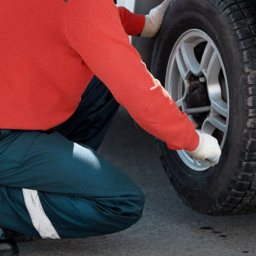
A blowout can make you want to immediately get out and change the wheel.Don’t do this if you’re in a dangerous position.The Highway Code makes it clear that drivers should prioritise safety and avoid putting themselves or passengers in danger around moving traffic.On motorways, don’t place a warning triangle behind your vehicle.Why Do Tyres Bursts at High Speed?
Understanding the causes of tyre blowouts can help you prevent them.Underinflated Tyres
Incorrect tyre pressure can increase the risk of tyre failure. TyreSafe notes that underinflated tyres can affect handling and increase the risk of a blowout, particularly on high-speed motorways.Check your tyre pressure regularly and always follow the vehicle manufacturer’s recommended pressure.Worn Tyres
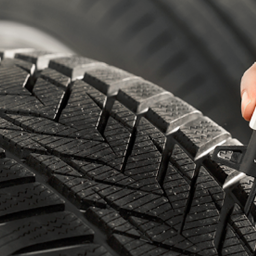
As tyres become worn, their ability to provide effective grip and disperse water can decline.Regularly check your tread depth and replace tyres when they become unsafe.Punctures
A small puncture can initially cause a slow loss of pressure. If ignored, however, the problem can become more serious.TyreSafe explains that punctures can cause either gradual or rapid pressure loss.Pothole and Impact Damage
Hitting a pothole or kerb can damage the tyre or wheel.Even if the tyre appears fine immediately after an impact, inspect it carefully for bulges, cuts, or other signs of damage.Excessive Heat
Tyres can generate significant heat during prolonged high-speed driving, particularly when pressure is incorrect or the tyre is already damaged.This is another reason why regular tyre checks matter before long journeys.How to Reduce the Risk of a Tyre Bursts At High Speed?
You cannot eliminate every tyre-related emergency, but proper maintenance can significantly reduce avoidable risks.Before long journeys, check:- Tyre pressure
- Tread depth
- Sidewalls
- Cuts and cracks
- Bulges
- Embedded objects
- Uneven wear
What Should You Do After a Tyre Bursts At High Speed?
Once you have reached a safe location, don’t immediately continue your journey.Inspect the situation from a safe position and arrange professional assistance.A severely damaged tyre may require replacement rather than repair. If the tyre has been driven while completely deflated, internal damage may also be present even when the outside doesn’t look severely damaged.TyreSafe explains that damaged tyres should be professionally assessed before deciding whether repair or replacement is appropriate.How Can Grip N Go Mobile Tyres Help?
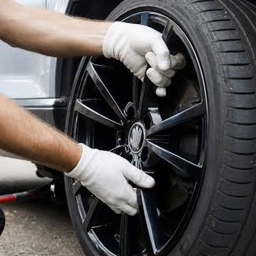
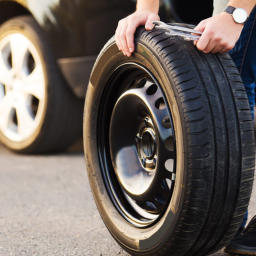
A tyre blowout can leave you stranded after you’ve managed to reach a safe location.At Grip N Go Mobile Tyres, our team provides professional mobile tyre services to help drivers deal with tyre emergencies conveniently.Depending on the tyre’s condition and your requirements, our services include:- Mobile tyre replacement
- Emergency tyre replacement
- Mobile tyre repair
- Puncture repair
- Mobile tyre fitting
- Roadside tyre assistance