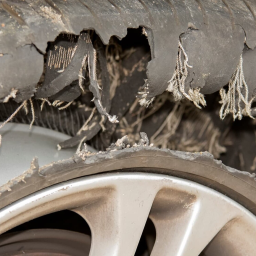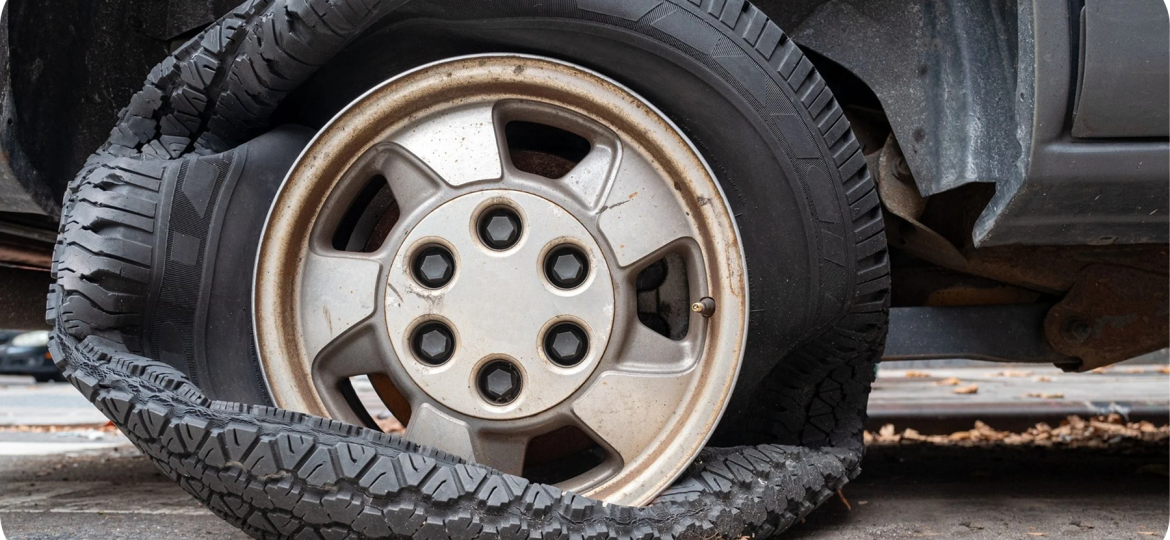
A tyre blowout can happen suddenly and without warning. One moment you are driving normally, and the next you lose control due to rapid air loss. Because blowouts often occur at higher speeds, they can become dangerous quickly. Understanding the common causes of tyre blowouts helps you reduce risk, protect your vehicle, and avoid expensive repairs.
Let’s explore what causes blowouts and how you can prevent them.
1. Underinflated Tyres
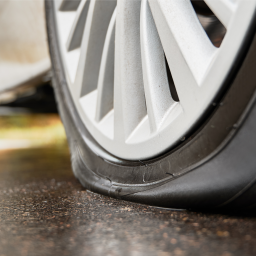
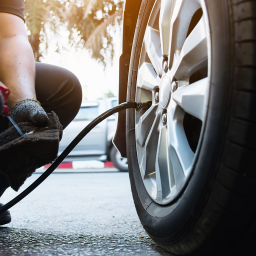
Underinflation ranks among the most common causes of tyre blowouts. When tyre pressure drops below the recommended level, the tyre flexes more than it should. This excessive flexing generates heat. Over time, heat weakens the tyre’s internal structure.
Eventually, the tyre may fail.
How to Avoid It
Check tyre pressure at least once a week.
Follow the manufacturer’s recommended PSI.
Inspect tyres before long journeys.
Maintaining proper pressure significantly reduces the risk of blowout.
2. Overloaded Vehicles
Carrying more weight than your vehicle’s limit places extra stress on tyres.
When tyres carry excessive load, internal pressure increases. As a result, the tyre becomes more vulnerable to rupture, especially during long drives.
How to Avoid It
Check your vehicle’s maximum load rating.
Distribute weight evenly
Avoid overpacking
Keeping within weight limits protects your tyres from sudden failure.
3. Worn-Out Tread
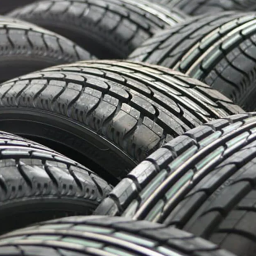
Worn tyres lose strength and road grip. Low tread depth reduces traction and increases heat buildup. Additionally, worn rubber cannot handle road hazards effectively. Because of this, worn tyres are one of the common causes of tyre blowouts.
How to Avoid It
Replace tyres before tread reaches the legal minimum.
Inspect tread depth regularly.
Rotate tyres to ensure even wear
Replacing tyres early costs less than repairing damage after a blowout.
4. Road Hazards
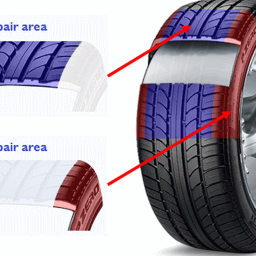
Sharp objects such as nails, screws, glass, and debris can puncture tyres. Potholes and kerbs can also weaken sidewalls. In many cases, the damage is not visible immediately. However, internal structural damage may develop over time.
How to Avoid It
Avoid potholes when possible.
Drive carefully on uneven roads.
Inspect tyres after hitting a hard object
Quick inspection prevents hidden damage from worsening.
5. Excessive Heat
Heat weakens tyre materials. High speeds, long journeys, and hot weather increase tyre temperature. When combined with underinflation or heavy loads, heat becomes one of the common causes of tyre blowouts.
How to Avoid It
Maintain correct tyre pressure.
Take breaks during long trips.
Avoid aggressive driving
Reducing heat buildup extends tyre life.
6. Poor Tyre Maintenance
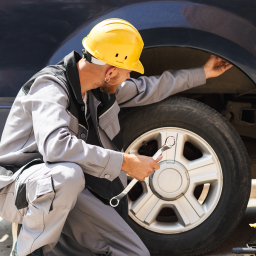
Neglecting regular inspections increases blowout risk. Uneven wear, sidewall bulges, and small punctures often go unnoticed. Over time, these minor problems grow into serious safety hazards.
How to Avoid It
Schedule regular tyre checks.
Replace damaged tyres immediately.
Ensure proper wheel alignment.
Consistent maintenance prevents sudden tyre failure.
What To Do If any Common Causes of Tyre Blowouts HAPPEN?
Even with precautions, blowouts can still occur.
If you experience one:
Stay calm
Hold the steering wheel firmly.
Avoid sudden braking
Gradually slow down
Move to a safe location.
After stopping safely, seek professional assistance.
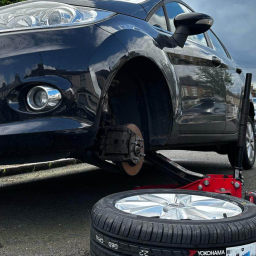
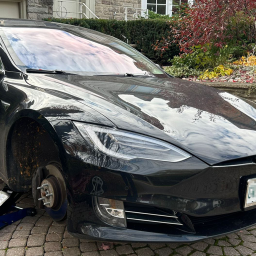
Services like Grip N Go Tyres provide emergency tyre replacement and mobile assistance, helping drivers resolve blowouts quickly and safely.
Final Thoughts
Understanding the common causes of tyre blowouts gives you control over your vehicle’s safety. Simple habits such as routine pressure checks and tread inspections significantly reduce risk. Acting early prevents dangerous situations and expensive mechanical damage. If you notice warning signs, address them immediately. Safe tyres mean safer journeys.