One of the most common questions drivers ask is whether their tyre needs repair or replacement. Making the wrong decision can affect safety, performance, and long-term vehicle health. Choosing correctly between tyre repair and replacement depends on the type of damage, location of the puncture, tread depth, tyre age, and overall condition.
This guide explains everything in detail so you can make a safe and informed decision.
Why Deciding Between Tyre Repair or Replacement Matters?
Tyres connect your vehicle to the road. They impact:
Braking distance
Steering control
Fuel efficiency
Vehicle stability
Road safety
If a tyre can be safely repaired, you save money. However, if it requires replacement, continuing to drive on it may increase accident risk. Understanding the difference between minor damage and structural damage is essential.
When a Tyre Can Usually Be Repaired?
Not all tyre damage requires replacement. In many cases, professional tyre repair is safe and cost-effective.
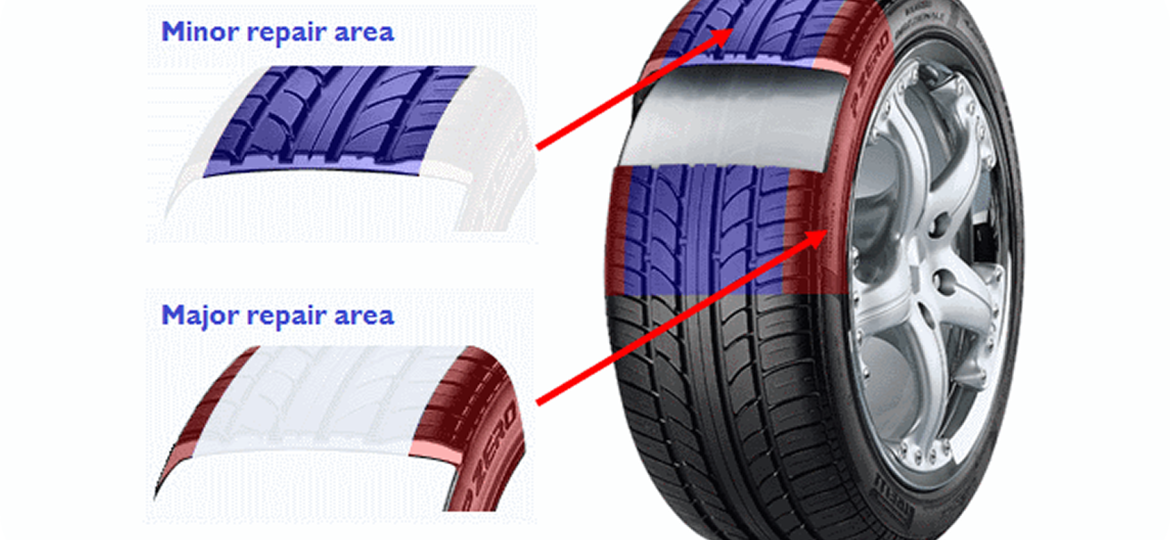
1. Small Punctures in the Tread Area
If the puncture is:
Less than 6mm in diameter
Located in the central tread area
Then it can often be repaired safely.
The tread area is designed to handle repair patches. However, repairs must follow industry safety standards.
2. Slow Air Leaks
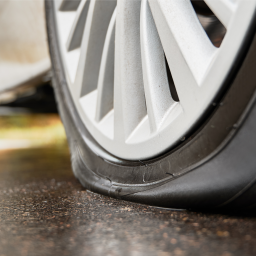
If your tyre loses air gradually but shows no visible structural damage, a professional inspection may reveal a repairable puncture.
Common causes include:
Nails
Screws
Small debris
If detected early, these issues often require simple tyre repair rather than full replacement.
3. No Sidewall Damage
Sidewall damage is more serious. However, if the damage is only on the tread and the internal structure remains intact, repair may be possible. Professional technicians assess whether internal cords are unaffected before approving repair.
When Tyre Replacement Is Necessary
In some situations, repair is not safe. Tyre replacement becomes the only reliable option.
Here are the major signs.
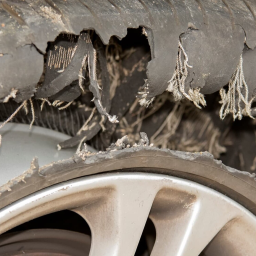
1. Sidewall Damage
The sidewall is the most critical part of a tyre. Damage here includes:
Cuts
Bulges
Cracks
Punctures
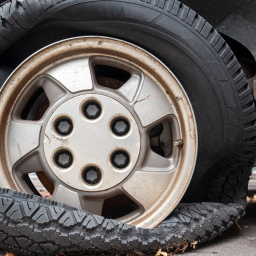
Sidewall damage weakens structural integrity. In almost all cases, this requires full tyre replacement. Driving on a damaged sidewall increases blowout risk significantly.
2. Large Punctures
If the hole exceeds the recommended repair size (usually 6mm), replacement is safer. Large punctures may compromise the internal layers of the tyre. Even if temporarily sealed, long-term safety cannot be guaranteed.
3. Multiple Repairs in One Tyre
Industry guidelines limit how many times a tyre can be repaired.
If a tyre has:
Several previous repairs
Overlapping damage
Structural weakening
Then replacement is the safer choice. Repeated repairs reduce reliability.
4. Low Tread Depth
Legal minimum tread depth in many regions is 1.6mm. However, safety experts recommend replacing tyres at 3mm.
If the tread is too low:
Grip decreases
Braking distance increases
Hydroplaning risk rises
Low tread means replacement is necessary, not repair.
5. Tyre Age
Even if the tread looks acceptable, the tyre rubber deteriorates over time.
Most manufacturers recommend replacing tyres after 5–6 years, depending on usage and storage.
Signs of ageing include:
Cracks in rubber
Dry rot
Hardening texture
Age-related damage usually requires replacement.
How Professionals Decide Between Tyre Repair or Replacement?
Trained technicians follow strict inspection procedures.
They evaluate:
Damage location
Damage size
Internal structure condition
Tread depth
Overall tyre age
If the tyre meets safety standards, repair is approved. If not, replacement is recommended. Safety always comes first.
Risks of Choosing the Wrong Option
Making an incorrect decision about tyre repair or replacement may cause serious consequences.
Continuing to Drive on a Damaged Tyre Can Lead To:
Sudden blowouts
Wheel rim damage
Suspension problems
Increased fuel consumption
While repair may save money initially, unsafe repairs can cost much more later.
Cost Comparison: Tyre Repair vs Tyre Replacement
Generally:
Tyre repair is more affordable.
Tyre replacement costs more.
However, replacement prevents future breakdown expenses.
For example:
Repairing a small puncture may cost significantly less than replacing a fully damaged tyre. But if repair is unsafe, replacement protects against larger mechanical damage. Therefore, safety should guide the decision, not just price.
Professional Help for Tyre Inspection
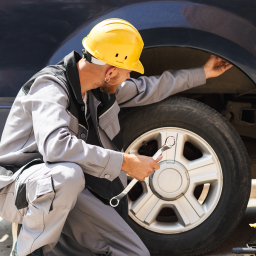
If you are unsure about tyre repair or replacement, contact a qualified tyre specialist for inspection.
Mobile tyre services provide convenient on-site evaluation and can recommend the correct solution.
Professional assessment ensures:
Safe repair if possible
Immediate replacement if required
Proper wheel balancing
Accurate pressure adjustment
Preventing Tyre Damage in the Future
To reduce repair needs:
Check tyre pressure weekly.
Inspect the tread regularly
Avoid potholes when possible.
Rotate tyres every 5,000–8,000 miles.
Schedule routine tyre inspections
Preventive maintenance extends tyre lifespan and reduces unexpected breakdowns.
When to Choose Replacement for Safety Reasons?
Even if repair seems possible, replacement is better when:
You frequently drive long distances.
You use the vehicle for business.
The tyre is older than recommended.
You want maximum safety.
In these cases, long-term reliability matters more than short-term savings.
Final Decision Guide: Tyre Repair or Replacement?
Here is a simple summary:
Choose tyre repair if:
Damage is small
Puncture is in the tread area.
Tyre structure is intact.
Tread depth is sufficient.
Choose tyre replacement if:
The sidewall is damaged
The hole is too large
Multiple repairs exist
The tread is too low
Tyre is too old
When in doubt, always consult a professional technician.
Final Thoughts
Deciding between tyre repair and replacement requires careful inspection and safety awareness. Small tread punctures can often be repaired safely. However, sidewall damage, excessive wear, and structural issues require full replacement.
Your tyres directly affect braking, steering, and overall road safety. Therefore, never ignore visible damage. Acting early and choosing the correct solution protects your vehicle, reduces long-term costs, and ensures safer driving.
At Grip N Go Mobile Tyres, we provide fast and reliable mobile tyre repair and replacement services. Our professional team delivers on-site solutions with efficiency, accuracy, and attention to safety standards. We use proper inspection procedures to determine whether a tyre can be repaired or must be replaced, ensuring every customer receives honest advice and high-quality service.
With our experienced technicians, quick response times, and commitment to safety, you can trust us to handle your tyre needs professionally wherever you are.